
Table of Contents
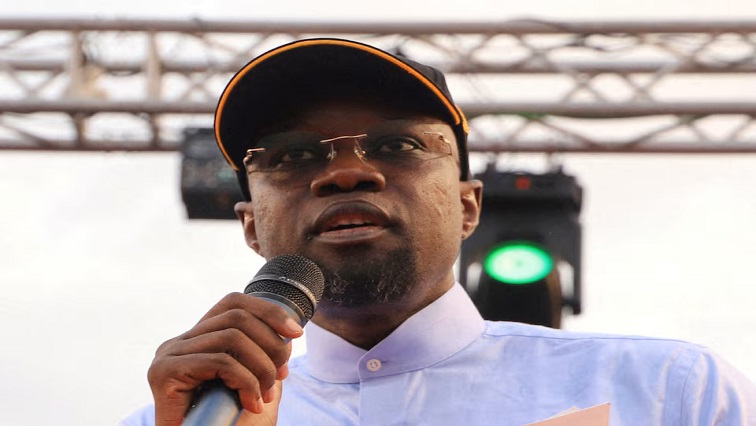
Senegal has entered a new political storm after President Bassirou Diomaye Faye dismissed Prime Minister Ousmane Sonko and dissolved the entire government following months of political friction.
The decision has created uncertainty across Senegal and raised fresh concerns about the country’s struggling economy, delayed reforms, and tense negotiations with the International Monetary Fund (IMF). The political split between two men once seen as inseparable allies now threatens to reshape Senegal’s future ahead of the 2029 presidential election.
For many observers, this marks one of the most dramatic political moments in Senegal since the 2024 elections that brought the Pastef movement to power.
Read: Trump press dinner attack suspect update security concerns
Why Senegal President Sacks PM Sonko Matters
A major political alliance has collapsed
The relationship between Faye and Sonko was once viewed as the foundation of Senegal’s political transformation.
Sonko became one of Senegal’s most influential opposition figures during the presidency of Macky Sall. His anti-establishment message attracted young voters frustrated by unemployment, corruption allegations, and economic inequality.
However, Sonko was barred from contesting the 2024 presidential election because of a controversial defamation conviction. Instead, he endorsed his close ally Bassirou Diomaye Faye, who later secured victory with more than half of the national vote.
After taking office, Faye appointed Sonko as prime minister. At the time, many believed the pair would govern Senegal together under a unified political vision.
That unity has now collapsed.
Growing Tensions Inside Government
Economic disagreements fueled the crisis
Political insiders say disagreements over economic management played a major role in the breakdown between the president and his prime minister.
Senegal is currently battling a severe debt crisis. The country’s public debt reportedly climbed to 132% of economic output by the end of 2024 after authorities discovered previously misreported figures.
This revelation forced the IMF to freeze a $1.8 billion lending program that Senegal urgently needs to stabilize its finances.
Several disagreements reportedly widened the gap between Faye and Sonko:
- Fuel subsidy reforms
- Debt restructuring negotiations
- IMF cooperation
- Energy contract renegotiations
- Government spending priorities
Finance Minister Cheikh Diba recently warned parliament that Senegal’s fuel subsidy costs could exceed budget expectations by nearly $2 billion if oil prices continue rising.
According to reports, Sonko strongly opposed increasing fuel prices, fearing it would hurt ordinary citizens already struggling with inflation and unemployment.
Faye appeared more willing to consider difficult economic reforms to restore investor confidence and revive IMF discussions.
Political insiders expected the split
Rumors of tensions inside the ruling coalition had circulated for months.
Earlier in 2026, Sonko publicly warned that his Pastef party could leave the government if President Faye moved away from the movement’s political agenda.
That statement immediately triggered speculation about a possible power struggle between the two leaders.
Analysts believed both men represented different governing styles:
- Faye favored institutional stability and international cooperation.
- Sonko pushed for aggressive reforms and economic nationalism.
The differences became more visible as Senegal’s economic pressures intensified.
Eventually, the conflict reached breaking point.
On Friday, the presidency announced that all ministers had been dismissed, while the outgoing government would temporarily handle administrative affairs until a new cabinet is formed.
Ousmane Sonko’s Influence Remains Powerful
Sonko still commands massive public support
Even outside government, Sonko remains one of Senegal’s most influential politicians.
His popularity among young voters and anti-establishment supporters continues to shape the country’s political landscape.
Supporters view him as:
- A defender of national sovereignty
- A critic of foreign economic influence
- A reformer willing to challenge elites
- A symbol of political resistance
Sonko’s political movement built momentum through protests, activism, and social media campaigns that energized many young Senegalese voters.
After his dismissal, Sonko posted a message online suggesting relief rather than disappointment, saying he would sleep peacefully at his residence in Dakar.
That response has intensified speculation that he may already be planning his next political move.
Senegal’s Debt Crisis Deepens
IMF talks now face fresh uncertainty
One of the biggest concerns following the dismissal is the future of Senegal’s negotiations with the IMF.
International lenders have closely monitored Senegal’s fiscal situation since the discovery of hidden debt figures.
Without a new agreement, Senegal may struggle to:
- Secure international financing
- Stabilize public spending
- Maintain fuel subsidies
- Support infrastructure projects
- Protect investor confidence
Economic experts warn that prolonged political instability could weaken Senegal’s financial credibility even further.
The country had already faced:
- Rising inflation
- Currency pressure
- Higher borrowing costs
- Growing unemployment
- Public frustration over living conditions
Political uncertainty may now worsen those problems.
Energy Contracts Became a Key Battlefront
Sonko pushed for resource nationalism
One of Sonko’s signature policies involved reviewing Senegal’s oil, gas, and mining agreements.
He argued that existing contracts unfairly benefited foreign companies while ordinary Senegalese citizens saw limited economic gains.
Earlier this year, Sonko declared a major BP-linked gas agreement unfair and revoked dozens of mining licenses.
The controversial decisions affected projects tied to Senegal’s emerging energy sector, including the Greater Tortue Ahmeyim gas project.
Sonko believed renegotiating contracts could:
- Reduce domestic energy prices
- Increase government revenue
- Strengthen economic sovereignty
- Improve national finances
Critics, however, warned that sudden contract changes risked scaring away international investors.
This disagreement reportedly became another major source of friction inside government.
Could Sonko Run for President in 2029?
Electoral reforms may open the door
Despite his dismissal, Sonko’s political future remains very active.
Recent electoral reforms approved by lawmakers could allow him to contest the 2029 presidential election.
That possibility has already transformed the current political crisis into a long-term battle for Senegal’s future leadership.
If Sonko positions himself as an outsider once again, he could regain momentum among frustrated voters.
Political analysts believe several scenarios are now possible:
- Sonko returns to opposition politics
- Pastef splits into rival factions
- Faye reshuffles government allies
- New coalition negotiations emerge
- Political protests increase nationwide
Much will depend on how Senegal’s economy performs over the next two years.
Senegal’s Democratic Reputation Faces a Test
West Africa watches closely
Senegal has long been considered one of West Africa’s most stable democracies.
Unlike several neighboring countries that experienced military coups or constitutional crises, Senegal maintained relatively peaceful political transitions for decades.
However, tensions surrounding Sonko’s rise previously triggered violent protests and deadly unrest under the Sall administration.
Now, observers fear renewed instability could damage Senegal’s democratic image.
Regional governments and international partners are closely monitoring developments because Senegal remains strategically important in West Africa’s political and economic landscape.
What Happens Next for President Faye?
Leadership pressure will intensify
President Faye now faces one of the biggest challenges of his presidency.
He must quickly:
- Form a new government
- Reassure investors
- Restart IMF negotiations
- Manage political divisions
- Maintain public confidence
The president also risks alienating sections of the Pastef political base that remain loyal to Sonko.
Because Pastef controls the National Assembly, internal divisions could complicate future reforms and legislation.
Any signs of paralysis may increase pressure on the administration.
Public Reaction Across Senegal
Citizens remain divided
Reactions across Senegal have been mixed.
Some citizens support Faye’s decision, arguing that government stability and economic credibility must come first.
Others believe Sonko was unfairly removed because he challenged powerful economic interests and defended ordinary people.
On social media, debates intensified immediately after the announcement.
Supporters of both leaders flooded online platforms with competing narratives about the future of the country.
Several concerns dominate public discussion:
- Rising fuel costs
- Job opportunities
- National debt
- Corruption allegations
- Energy wealth distribution
International Investors Are Watching Closely
Markets dislike political uncertainty
Political instability often creates nervousness among foreign investors.
Senegal had recently positioned itself as an emerging energy economy with growing oil and gas production potential.
However, uncertainty over leadership, contracts, and fiscal management could affect future investment decisions.
International companies may now wait for clearer political signals before expanding operations.
At the same time, lenders and development partners will likely seek assurances that Senegal remains committed to financial reforms and democratic governance.
Read:Trump press dinner attack suspect update security concerns
The Bigger Picture
A struggle over Senegal’s future direction
At its core, this political conflict reflects a larger debate about Senegal’s future.
One side favors:
- Stronger state control
- Economic nationalism
- Aggressive reforms
- Contract renegotiations
The other emphasizes:
- International cooperation
- Financial stability
- Institutional governance
- Gradual reform
Both approaches carry risks and opportunities.
The outcome of this political battle may define Senegal’s economic and political path for years to come.
Key Takeaways From the Crisis
Major developments explained simply
Here are the biggest points from the political crisis:
- President Faye dismissed Prime Minister Sonko
- The Senegalese government has been dissolved
- IMF negotiations remain uncertain
- Economic tensions fueled the split
- Sonko still holds strong political influence
- Energy contracts became a major issue
- Senegal’s debt crisis continues to worsen
- Political uncertainty may affect investors
- Sonko could still run in 2029
FAQ Section
What happened between President Faye and Ousmane Sonko?
President Bassirou Diomaye Faye dismissed Prime Minister Ousmane Sonko after months of political and economic disagreements inside the government.
Why did Senegal dissolve the government?
The government was dissolved following growing tensions over economic reforms, IMF negotiations, fuel subsidies, and debt management.
Is Senegal facing an economic crisis?
Yes. Senegal is dealing with rising debt levels, frozen IMF funding, subsidy pressures, and concerns about fiscal stability.
Can Ousmane Sonko still run for president?
Recent electoral reforms may allow Sonko to contest the 2029 presidential election.
How could this crisis affect Senegal?
The crisis may increase political uncertainty, delay economic reforms, affect investor confidence, and complicate IMF negotiations.

