
Table of Contents
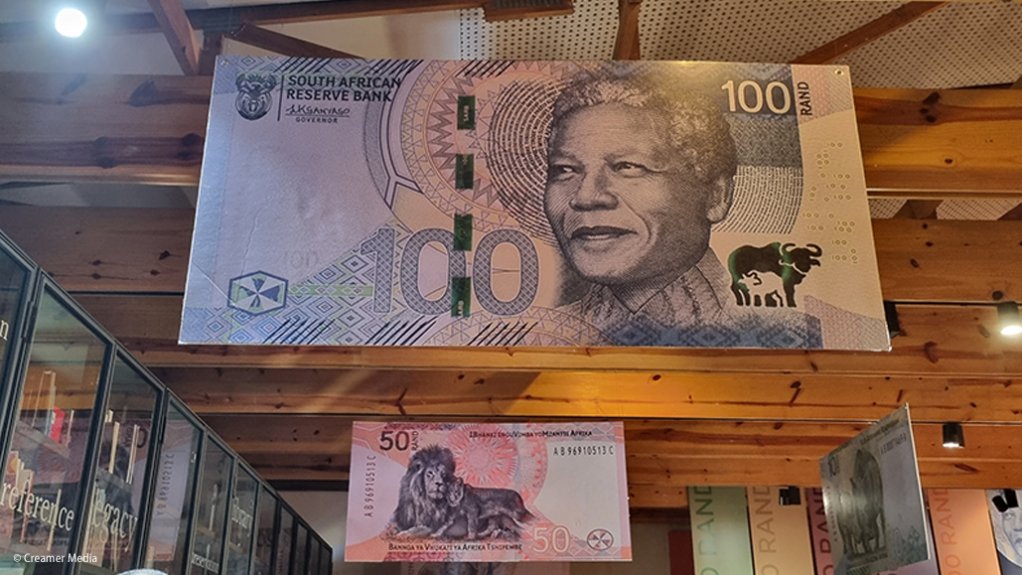
South African rand steady trend has captured investor attention as global and domestic traders adopt a cautious stance ahead of the South African Reserve Bank (SARB) interest rate decision scheduled for next week. Currency markets showed minimal movement in early Friday trading, reflecting uncertainty and restrained positioning.
At the latest reading, the rand traded near 16.47 against the U.S. dollar, barely shifting from its previous close. This muted activity highlights how market participants are holding back from aggressive bets until monetary policy direction becomes clearer.
Currency stability at this level suggests that traders are weighing both domestic inflation signals and global geopolitical developments before committing to major positions.
Read: Nigeria airlines debt relief Tinubu fuel price talks: Official policy update and aviation impact
Why the South African Rand Is Holding Steady
Investor Caution Ahead of Key Decision
Several factors explain why the South African rand steady pattern has emerged:
- Anticipation of SARB’s Monetary Policy Committee (MPC) decision
- Rising inflation pressures within South Africa
- Global uncertainty tied to U.S. monetary policy and geopolitical tensions
- Mixed signals from international markets
Investors often reduce exposure before major central bank announcements. This behavior lowers volatility temporarily while increasing sensitivity to post-announcement movements.
SARB Interest Rate Decision: What to Expect
Possible 25-Basis-Point Rate Hike
Economists broadly expect the SARB to raise interest rates by 25 basis points at its upcoming meeting. However, the decision is unlikely to be unanimous.
Experts suggest a split vote could emerge due to differing views on inflation risks versus economic growth concerns.
Key Considerations for Policymakers
The SARB faces a delicate balancing act:
- Control Inflation
Rising prices require tighter monetary policy. - Support Economic Growth
Higher rates may slow borrowing and investment. - Maintain Currency Stability
Interest rates influence foreign investment flows.
Elna Moolman, a leading macroeconomic analyst, noted that a rate hike could help prevent second-round inflation effects. However, some policymakers may argue that current conditions are already restrictive enough.
Inflation Trends Driving Market Expectations
Rising Inflation Raises Concerns
Recent data revealed that inflation climbed sharply to 4% in April, up from 3.1% in March. This marks the highest level since August 2024.
Such an increase has strengthened the argument for tighter monetary policy. Inflation moving closer to the upper limit of the SARB’s target range raises the urgency for action.
What This Means for the Rand
Inflation impacts currency value in several ways:
- Higher inflation can weaken a currency if left unchecked
- Rate hikes can strengthen the currency by attracting investors
- Expectations often move markets before actual decisions
Upcoming Economic Indicators to Watch
Key Data Releases Next Week
Investors will closely monitor several economic reports that could influence both the rand and interest rate outlook:
- Leading business cycle index (Tuesday)
- Producer inflation data (Thursday)
- Money supply figures (Friday)
- Private sector credit data (Friday)
- Trade balance report (Friday)
- Budget balance figures (Friday)
Each of these indicators provides insight into economic health and inflation trends. Strong data could reinforce the case for further tightening, while weaker numbers might support a more cautious approach.
Global Factors Affecting the Rand
U.S. Dollar Stability
The U.S. dollar remained relatively flat against major currencies after a volatile session. Conflicting reports regarding a potential U.S.-Iran agreement created uncertainty, limiting directional movement.
Because the rand is a risk-sensitive currency, it often reacts to global sentiment:
- Strong dollar → weaker rand
- Weak dollar → stronger rand
- Geopolitical stability → supports emerging market currencies
Geopolitical Developments
Ongoing geopolitical tensions and negotiations continue to influence investor sentiment. Even slight progress toward stability can boost risk appetite, indirectly supporting currencies like the rand.
Johannesburg Stock Exchange Performance
Equity Market Gains
While the currency remained stable, South African equities showed modest strength:
- The Top-40 index rose by 0.7%
This suggests that equity investors are slightly more optimistic than currency traders, possibly anticipating supportive policy outcomes or improved economic conditions.
Bond Market Signals
Government Bond Yields
South Africa’s benchmark 2035 government bond yield held steady at 8.77%.
Bond yields are critical indicators of:
- Inflation expectations
- Investor confidence
- Monetary policy outlook
What Happens After the Rate Decision?
Possible Market Scenarios
The SARB decision could trigger several outcomes:
- Rate Hike (Most Likely)
- Rand may strengthen slightly
- Signals commitment to inflation control
- No Change in Rates
- Rand could weaken
- Markets may view policy as too cautious
- Aggressive Policy Tone
- Boosts investor confidence
- Supports long-term currency stability
- Dovish Outlook
- Could pressure the rand
- Suggests concern about economic growth
Impact on Businesses and Consumers
For Businesses
- Borrowing costs may increase
- Investment decisions could slow
- Export competitiveness may improve with a stable currency
For Consumers
- Loan interest rates may rise
- Cost of living could remain elevated
- Savings returns might improve
Key Takeaways
Summary of Market Position
- The South African rand steady trend reflects cautious investor sentiment
- Inflation is rising, increasing pressure on SARB
- A 25-basis-point rate hike is widely expected
- Global uncertainty continues to influence local markets
- Key economic data releases will shape future direction
Read: Nigeria airlines debt relief Tinubu fuel price talks: Official policy update and aviation impact
Frequently Asked Questions (FAQ)
1. Why is the South African rand steady right now?
The rand is stable because investors are waiting for the SARB’s interest rate decision and avoiding large trades until there is more clarity.
2. What is the expected SARB rate decision?
Most economists expect a 25-basis-point interest rate hike to control rising inflation.
3. How does inflation affect the rand?
Higher inflation can weaken the currency, but rate hikes aimed at controlling inflation can strengthen it.
4. What global factors influence the rand?
The U.S. dollar, geopolitical developments, and global investor sentiment all impact the rand’s performance.
5. What should investors watch next?
Key economic indicators and the SARB’s policy announcement will be crucial in determining the rand’s next move.

