
Table of Contents
The Pakistan US-Iran peace talks have entered a crucial stage as diplomatic efforts continue to prevent further escalation in the ongoing conflict involving the United States, Iran, and Israel.
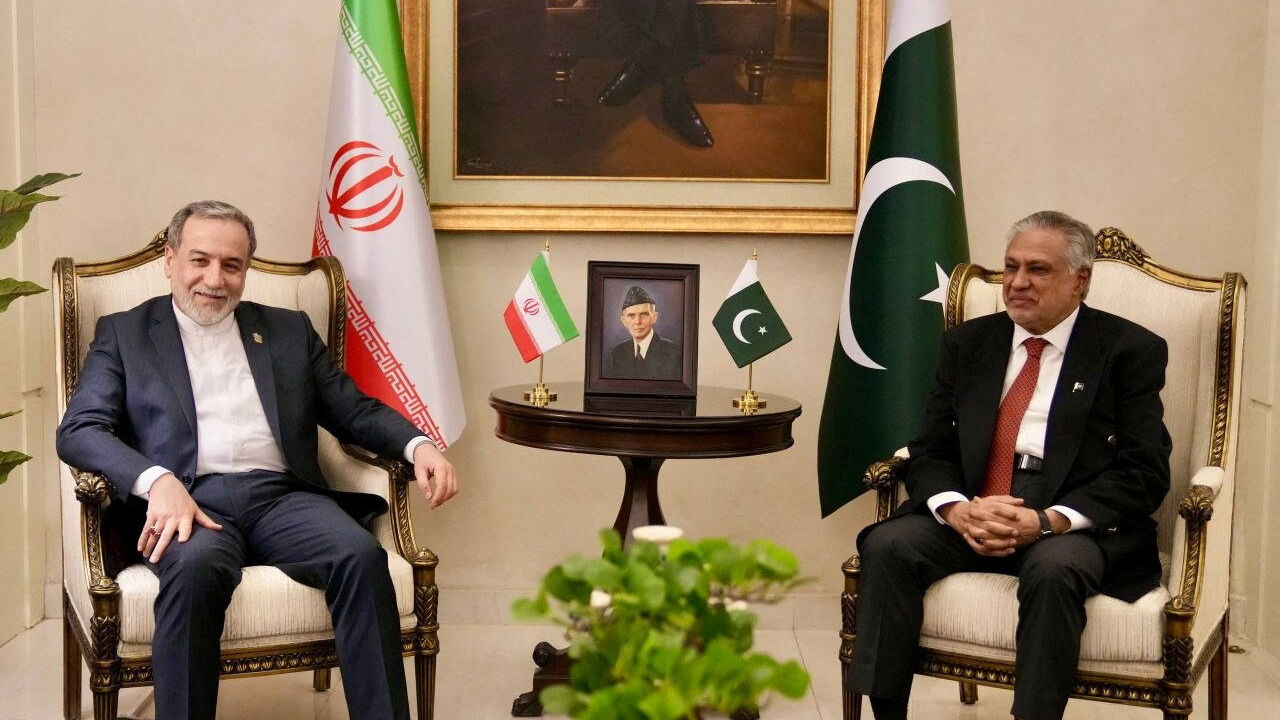
Fresh discussions held in Tehran between Iranian Foreign Minister Abbas Araqchi and Pakistan’s Interior Minister Syed Mohsin Naqvi have raised hopes of a possible diplomatic breakthrough.
The renewed talks come at a time when global markets remain under pressure due to rising oil prices, fears over the Strait of Hormuz, and uncertainty surrounding Iran’s uranium stockpile.
International observers now see Pakistan as an increasingly important intermediary between Washington and Tehran as tensions continue to impact global energy supply chains and geopolitical stability.
Read: Trump press dinner attack suspect update security concerns
Why the Pakistan US-Iran Peace Talks Matter
The latest Pakistan US-Iran peace talks are significant because the conflict has already produced severe economic and political consequences worldwide.
Key concerns include:
- Disruptions in global oil supply
- Rising fuel prices
- Shipping restrictions in the Strait of Hormuz
- Inflation fears
- Nuclear tensions
- Military escalation risks
Diplomatic progress could help reduce pressure on international energy markets while lowering fears of a wider regional conflict.
Pakistan’s Growing Diplomatic Role
Islamabad Steps Into a Sensitive Negotiation
Pakistan’s involvement has become increasingly important because it maintains diplomatic relations with both Iran and the United States.
Reports indicate that Pakistani officials are facilitating communication between the two sides in hopes of creating a framework for ending the conflict.
Iranian media outlets stated that Syed Mohsin Naqvi carried messages related to recent American proposals during meetings in Tehran.
The talks reportedly focused on:
- Ceasefire possibilities
- Trade routes
- Uranium negotiations
- Maritime access
- Sanctions relief
- Regional security guarantees
Why Pakistan Is Positioned as a Mediator
Pakistan’s geographic location and diplomatic relationships make it a strategic player in Middle Eastern affairs.
The country shares a border with Iran while also maintaining long-standing security ties with Washington.
Analysts believe Pakistan may help:
- Reduce communication gaps
- Prevent military escalation
- Encourage phased agreements
- Build regional confidence
- Ease tensions surrounding shipping routes
The Strait of Hormuz Crisis Explained
Why the Strait Matters
The Strait of Hormuz is one of the world’s most critical energy shipping routes.
Before the conflict escalated, approximately:
- 20% of global oil shipments
- Massive liquefied natural gas exports
passed through the strategic waterway.
Iran effectively restricted most shipping traffic after the war began earlier this year.
That move triggered:
- Major oil price spikes
- Shipping delays
- Insurance increases
- Global market uncertainty
US Position on the Strait
US Secretary of State Marco Rubio warned that any attempt by Iran to permanently impose tolls or restrictions on the waterway could derail peace negotiations.
Washington insists the strait must remain:
- Open
- Free
- Internationally accessible
President Donald Trump also criticized Tehran’s proposals involving shipping fees.
According to Trump, the waterway is an international route that cannot be controlled through unilateral toll systems.
Iran’s Position in the Negotiations
Tehran Demands Security Guarantees
Iranian officials continue to insist that their actions are defensive and linked to ongoing sanctions and military pressure.
Tehran’s reported demands include:
- Lifting economic sanctions
- Release of frozen assets
- Compensation for war damage
- Withdrawal of US troops
- Recognition of maritime authority
Iran also wants assurances that future negotiations will not collapse due to renewed military action.
Uranium Stockpile Remains a Key Dispute
One of the biggest sticking points in the Pakistan US-Iran peace talks involves Iran’s highly enriched uranium stockpile.
The United States argues the material could potentially support nuclear weapons development.
Iran strongly denies that accusation and maintains its nuclear activities are intended for peaceful purposes.
According to reports, Iran’s leadership has instructed officials not to transfer uranium stockpiles abroad despite US demands.
Donald Trump’s Latest Comments
President Donald Trump said Washington would eventually secure Iran’s uranium reserves.
Speaking to reporters, he stated:
- The United States does not want Iran to keep the material
- Washington may destroy the stockpile after recovering it
- Iran should reach a diplomatic agreement
Trump also repeated his criticism of Iranian control over maritime trade routes.
Domestic Pressure on Trump
The ongoing Middle East conflict has also created political pressure inside the United States.
American consumers have faced:
- Rising gasoline prices
- Inflation concerns
- Economic uncertainty
Political analysts say energy costs could influence upcoming congressional elections.
Oil Prices Continue Rising
Energy Markets React to Uncertainty
Global energy markets remain highly sensitive to developments in the Pakistan US-Iran peace talks.
Oil prices climbed again after investors expressed doubts about the likelihood of an immediate breakthrough.
Financial markets also reacted with:
- Stronger US dollar performance
- Higher treasury yields
- Increased volatility
International Energy Agency Warning
The International Energy Agency warned that the current crisis may become the world’s worst energy shock in years.
The agency believes:
- Summer demand could worsen shortages
- Supply disruptions may continue
- Markets may enter a “red zone” during peak demand months
Energy experts fear that prolonged restrictions in the Strait of Hormuz could severely impact global economies.
Global Economic Impact of the Conflict
Industries Facing Pressure
Several industries are already feeling the effects of the crisis, including:
- Airlines
- Shipping companies
- Manufacturing firms
- Logistics businesses
- Energy-intensive industries
Rising oil prices often increase transportation and production costs worldwide.
Inflation Risks Growing
Economists warn that sustained energy disruptions could fuel:
- Consumer inflation
- Higher interest rates
- Slower economic growth
Central banks may face additional pressure if oil prices remain elevated.
The Military and Political Stakes
War Objectives Remain Unclear
The United States and Israel previously stated their objectives included:
- Limiting Iran’s regional influence
- Weakening militia networks
- Restricting missile programs
- Dismantling nuclear capabilities
However, analysts note that Iran still retains:
- Missile capabilities
- Regional proxy networks
- Enriched uranium stockpiles
That reality complicates diplomatic negotiations.
Ceasefire Still Fragile
Although active military attacks slowed after temporary pauses, the overall situation remains unstable.
Peace talks continue under the shadow of possible renewed conflict.
Iran’s Regional Influence
Iran remains a major regional power with influence across multiple Middle Eastern territories.
The country maintains ties with:
- Hezbollah
- Regional militia groups
- Political movements across the region
Western governments continue monitoring those relationships closely as negotiations proceed.
Could Pakistan Help Deliver a Breakthrough?
Diplomatic Channels Still Open
Despite ongoing disagreements, officials from all sides continue communicating.
Pakistan’s mediation efforts may help:
- Build trust
- Clarify negotiation terms
- Reduce misunderstandings
- Create phased agreements
Observers say maintaining open communication remains essential.
Challenges Ahead
Several issues still threaten the peace process:
- Uranium control disputes
- Maritime toll disagreements
- Sanctions negotiations
- Military trust deficits
- Political pressure inside multiple countries
Even minor diplomatic setbacks could affect oil prices and regional stability.
International Reactions to the Peace Talks
Countries worldwide are closely monitoring developments because the outcome could impact:
- Energy costs
- Trade flows
- Shipping security
- Global inflation
- International diplomacy
Major economies heavily dependent on Middle Eastern oil remain especially concerned.
Timeline of Key Events
| Event | Details |
|---|---|
| War Escalation | Conflict intensified after attacks in February |
| Strait Restrictions | Iran reduced shipping access |
| Oil Price Surge | Energy markets reacted globally |
| US-Iran Talks | Negotiations resumed |
| Pakistan Mediation | Islamabad began facilitating communication |
| Current Status | Talks ongoing with unresolved disputes |
Why the Strait of Hormuz Is So Important
The Strait of Hormuz connects the Persian Gulf to international waters.
It is considered:
- One of the world’s busiest oil routes
- A critical LNG transport corridor
- Essential for global energy trade
Any disruption there can rapidly impact fuel prices worldwide.
Investor Concerns Continue
Financial analysts say investors remain cautious because:
- No final peace agreement exists
- Shipping activity remains reduced
- Political rhetoric remains tense
- Military risks still exist
Oil traders are closely watching diplomatic developments daily.
Could Sanctions Be Lifted?
President Trump hinted that Washington could consider easing sanctions on some Chinese companies purchasing Iranian oil if progress continues.
That possibility may become a major bargaining point in future negotiations.
However, no final agreement has been announced.
Read: Trump press dinner attack suspect update security concerns
FAQ Section
What are the Pakistan US-Iran peace talks about?
The talks involve diplomatic efforts to reduce tensions between the United States and Iran and potentially end the ongoing conflict affecting global energy markets.
Why is Pakistan involved?
Pakistan is acting as a mediator because it maintains diplomatic relationships with both Iran and the United States.
Why is the Strait of Hormuz important?
The Strait of Hormuz is a major global shipping route for oil and natural gas exports.
What is the dispute over uranium?
The United States wants stronger control over Iran’s enriched uranium stockpile, while Iran insists its nuclear program is peaceful.
How are the talks affecting oil prices?
Uncertainty surrounding the negotiations has increased global oil prices due to fears of supply disruptions.

