
Table of Contents
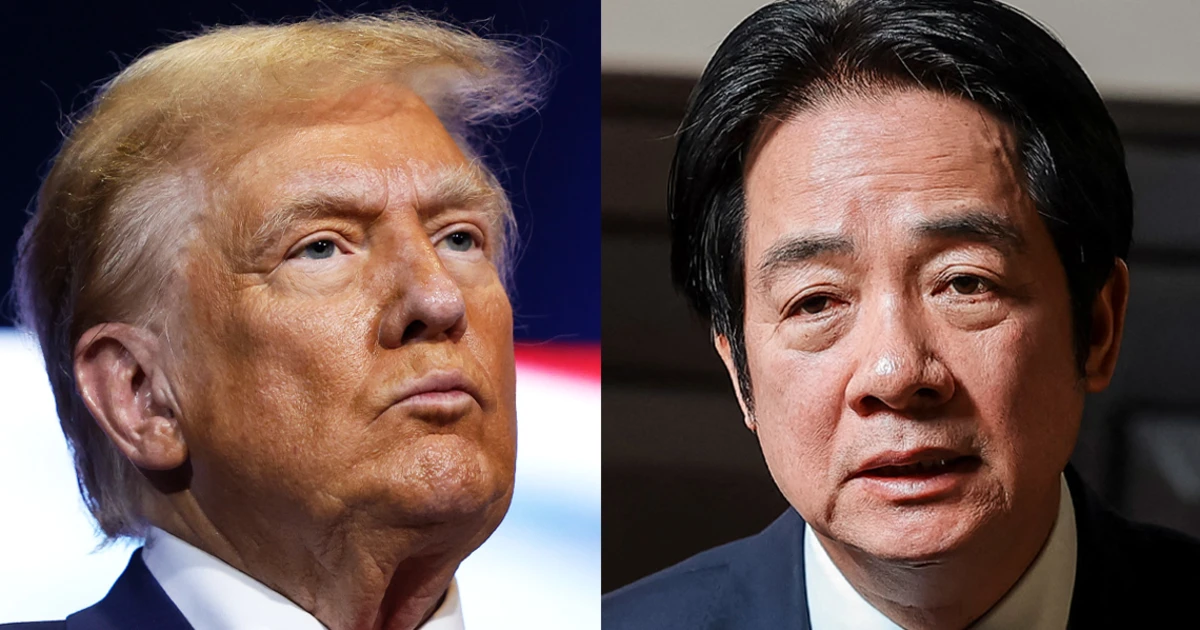
Trump-Taiwan talks are once again dominating international headlines after reports confirmed that no concrete plans currently exist for a direct call between former U.S. President Donald Trump and Taiwan President Lai Ching-te. Despite Trump publicly suggesting that he may soon speak with Lai regarding Taiwan’s defense concerns, multiple sources familiar with the discussions say preparations for such a conversation have not moved forward.
The issue carries major diplomatic weight. A direct call between leaders of the United States and Taiwan would mark a historic moment because no American president has officially spoken directly with a Taiwanese president since Washington shifted diplomatic recognition from Taipei to Beijing in 1979.
Global analysts believe even the possibility of direct communication is enough to increase tensions between Washington and Beijing. China continues to view Taiwan as part of its territory and strongly opposes any form of official engagement between Taipei and foreign governments.
This latest development arrives during a period of rising military pressure, uncertainty surrounding U.S. arms sales, and growing concerns over stability in East Asia.
Read: OFFICIAL: Israel Backs Trump Two-Week Iran Pause, Lebanon Excluded
Why Trump-Taiwan Talks Matter Globally
Taiwan remains one of the world’s most sensitive geopolitical flashpoints.
The importance of Trump-Taiwan talks extends far beyond simple diplomacy. Taiwan plays a critical role in international trade, global security, and semiconductor manufacturing. The island produces the majority of the world’s advanced chips, making it essential to industries ranging from smartphones to artificial intelligence.
Several major concerns explain why global leaders are watching this situation closely:
- Rising military activity near Taiwan
- Uncertainty over future U.S. military support
- Increasing rivalry between China and the United States
- Global economic dependence on Taiwanese semiconductor production
- Strategic control of the Indo-Pacific region
China has repeatedly warned Washington against deepening official ties with Taiwan. Beijing believes such moves encourage what it calls “separatist forces” on the island.
Meanwhile, supporters of Taiwan argue that democratic nations must continue supporting Taipei against growing military threats.
Trump’s Statements Spark International Attention
Donald Trump surprised officials after repeatedly mentioning a possible call with Lai.
During recent comments to reporters, Trump stated that he intended to speak with “the person running Taiwan” before making decisions regarding weapons sales and future defense cooperation.
Many observers initially believed Trump misspoke. However, he repeated the claim days later, signaling that the idea may have been discussed internally.
According to sources familiar with diplomatic communications:
- U.S. and Taiwanese officials have discussed the possibility of a call.
- No final schedule or agreement currently exists.
- Beijing has privately warned Washington against moving forward.
- Concerns remain over damaging fragile U.S.-China relations.
The White House has declined to officially comment on the reports.
Political analysts say Trump’s comments may be part of a broader negotiation strategy involving trade, military influence, and diplomatic leverage with China.
China Responds Strongly to Trump-Taiwan Talks
Beijing sees official U.S.-Taiwan communication as a serious threat.
Chinese officials reacted quickly after Trump’s comments became public. Representatives from China’s embassy in Washington reiterated Beijing’s longstanding opposition to official exchanges between the United States and Taiwan.
China’s position remains firm:
- Taiwan is considered part of China
- Foreign governments should avoid official diplomatic engagement with Taipei
- U.S. weapons sales to Taiwan are viewed as interference
- Any direct presidential communication could damage bilateral relations
Reports indicate that Chinese officials privately warned Washington that such a call might undo progress made during recent diplomatic meetings between Trump and Chinese President Xi Jinping.
This warning highlights how sensitive the Taiwan issue remains for Beijing.
Taiwan’s Position on the Potential Call
President Lai Ching-te has not confirmed any scheduled conversation.
Taiwan President Lai Ching-te addressed the situation carefully during recent public remarks. While avoiding confirmation of any planned call, Lai stated that if given the opportunity to speak with Trump, he would emphasize the importance of peace and Taiwan’s right to self-governance.
Lai also accused China of undermining regional stability.
His comments reflect Taiwan’s broader diplomatic strategy:
- Maintain strong U.S. support
- Avoid unnecessary escalation
- Reinforce Taiwan’s democratic identity
- Build international partnerships
Taiwanese officials understand the risks involved in high-level communication with Washington. At the same time, they continue seeking stronger global backing amid increasing Chinese military pressure.
Rising Military Pressure Around Taiwan
Chinese military activity near Taiwan continues to increase.
Security concerns intensified further after Taiwanese intelligence officials reported large-scale Chinese naval deployments across East Asia.
According to Taiwanese sources:
- More than 100 naval and coast guard vessels were deployed
- Military operations expanded across strategic waterways
- Exercises may have been intended as a warning to Washington
Military analysts believe Beijing often uses large-scale drills to signal displeasure during periods of heightened diplomatic tension.
China has never ruled out the use of force to take control of Taiwan. This reality continues shaping security discussions throughout Asia and beyond.
Several regional allies, including Japan and South Korea, are monitoring developments carefully due to fears of broader instability.
The Uncertainty Around U.S. Arms Sales
Taiwan’s defense support remains a major issue.
One of the most important aspects of ongoing Trump-Taiwan talks involves future U.S. weapons sales to Taiwan.
Reports suggest Trump has not yet decided whether to approve a proposed defense package worth up to $14 billion.
This uncertainty has raised questions about Washington’s long-term commitment to Taiwan’s defense strategy.
However, several factors remain important:
- U.S. law requires support for Taiwan’s self-defense capabilities
- Both Republican and Democratic lawmakers support Taiwan
- American officials reportedly reassured Taiwan privately
- Defense cooperation continues despite political uncertainty
Military experts argue Taiwan depends heavily on American weapons systems to maintain deterrence against China.
Potential equipment under discussion could include:
| Defense Category | Possible Systems |
|---|---|
| Air Defense | Missile defense platforms |
| Naval Defense | Anti-ship missiles |
| Surveillance | Radar and intelligence systems |
| Aircraft Support | Fighter maintenance and upgrades |
Read: OFFICIAL: Israel Backs Trump Two-Week Iran Pause, Lebanon Excluded
How Trump-Taiwan Talks Could Affect U.S.-China Relations
Diplomatic relations between Washington and Beijing remain fragile.
The possibility of direct communication between Trump and Lai creates several diplomatic risks.
Experts believe a presidential-level call could:
- Trigger stronger Chinese military responses
- Increase economic tensions
- Complicate trade negotiations
- Influence future security alliances
- Reshape Indo-Pacific diplomacy
At the same time, supporters argue stronger U.S.-Taiwan engagement could strengthen deterrence and discourage aggressive actions from Beijing.
This debate continues dividing policymakers.
Taiwan’s Strategic Importance to the Global Economy
Taiwan’s semiconductor dominance makes stability essential.
Taiwan is home to some of the world’s most advanced semiconductor manufacturers. Any disruption involving the island could affect global technology production on a massive scale.
Industries that depend heavily on Taiwanese chips include:
- Smartphones
- Artificial intelligence
- Electric vehicles
- Military technology
- Consumer electronics
Global companies remain deeply concerned about instability in the Taiwan Strait.
Economic experts warn that any conflict involving Taiwan could disrupt supply chains worldwide and trigger severe financial consequences.
Could Trump Actually Speak With Lai?
Political uncertainty remains high.
Although no official plans currently exist, the possibility of future Trump-Taiwan talks cannot be ruled out.
Several factors may influence future developments:
- U.S.-China trade negotiations
- Domestic American political pressure
- Taiwan’s security concerns
- Chinese military actions
- Regional alliance dynamics
Trump’s unpredictable diplomatic style also adds uncertainty.
Throughout his political career, Trump has often challenged traditional diplomatic norms. Some analysts believe this issue may become another example of unconventional foreign policy strategy.
Others argue the risks involved are too significant for Washington to proceed.
International Reactions Continue Growing
Global governments are monitoring the situation closely.
Countries across Asia and Europe continue analyzing possible outcomes from these developments.
Japan remains especially concerned because of its geographic proximity to Taiwan and reliance on regional stability.
European governments have also increased discussions regarding:
- Indo-Pacific security
- Semiconductor supply chains
- Chinese military expansion
- Democratic partnerships
Meanwhile, financial markets continue watching closely for signs of escalation.
Any major diplomatic breakdown between the United States and China could impact:
- Stock markets
- Technology industries
- Global shipping
- Energy prices
- Investor confidence
What Happens Next?
Several key developments may shape future headlines.
The coming weeks could prove critical for U.S.-Taiwan-China relations.
Important developments to watch include:
- Potential announcements regarding weapons sales
- Chinese military exercises
- Statements from Taiwan’s government
- U.S. congressional reactions
- Future Trump comments
Diplomatic observers expect continued behind-the-scenes discussions even if no official call occurs immediately.
FAQ Section
What are Trump-Taiwan talks?
Trump-Taiwan talks refer to the possible communication between Donald Trump and Taiwan President Lai Ching-te regarding defense, diplomacy, and regional security.
Why would a Trump-Lai call be historic?
A direct call would be historically significant because U.S. presidents have not officially communicated directly with Taiwanese presidents since 1979.
Why does China oppose Trump-Taiwan talks?
China considers Taiwan part of its territory and opposes any official interaction between Taiwan and foreign governments.
Is the United States still supporting Taiwan militarily?
Yes. Under U.S. law, Washington continues supporting Taiwan’s self-defense capabilities through military cooperation and weapons sales.
Why is Taiwan important globally?
Taiwan is a major producer of advanced semiconductor chips essential for technology, defense systems, and global manufacturing.

