
Table of Contents
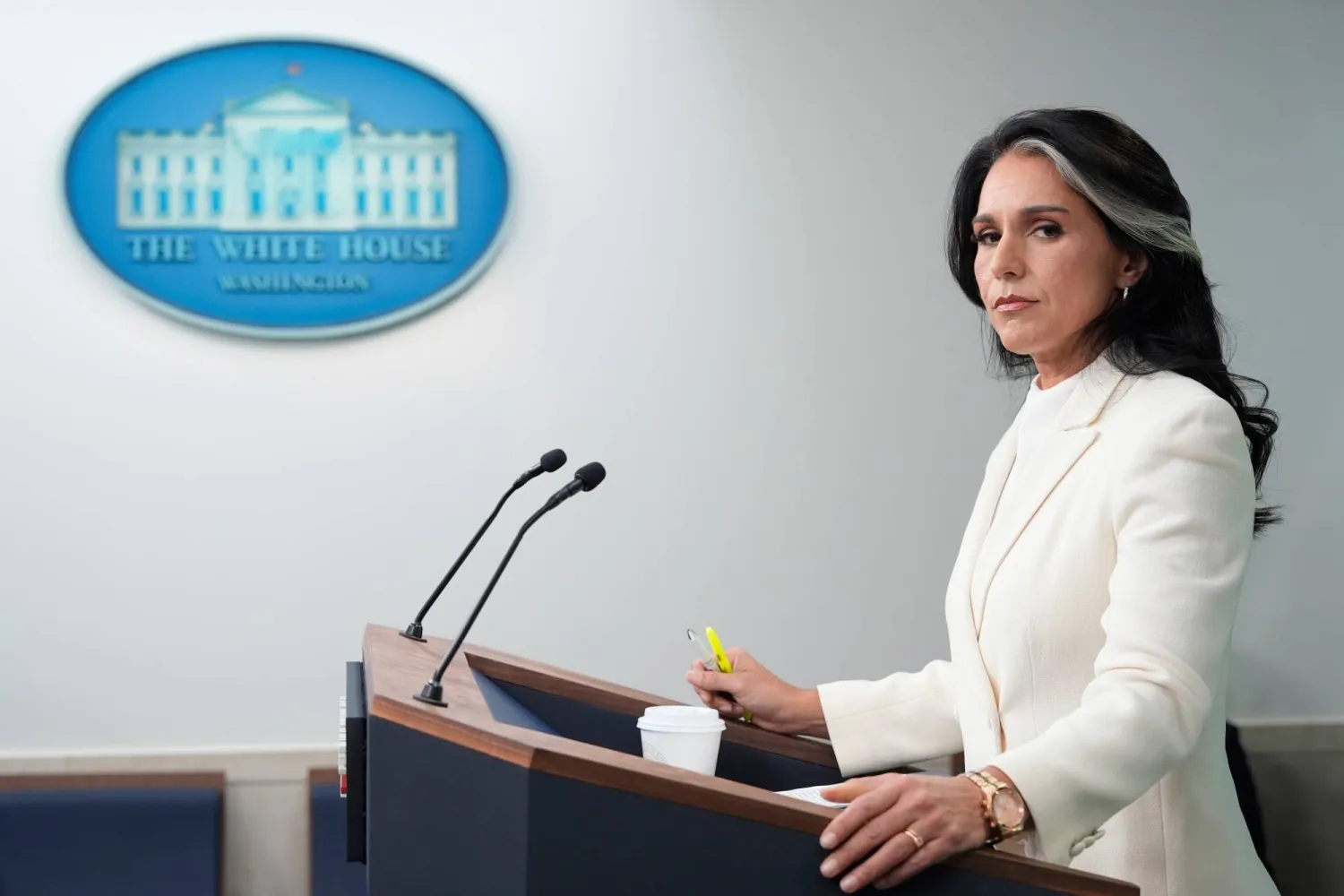
The political landscape in Washington shifted again after Tulsi Gabbard announced her resignation from the administration of Donald Trump.
The former Director of National Intelligence confirmed that she would officially leave her position on June 30, citing personal family reasons tied to her husband’s health condition. However, reports from several U.S. media outlets also pointed to growing friction between Gabbard and senior officials inside the White House.
The resignation instantly became one of the biggest political stories in the United States, especially as debates continue over America’s intelligence strategy, foreign policy direction, and national security priorities ahead of the upcoming elections.
Observers believe the departure may reshape Trump’s intelligence and national security team during a period of heightened global instability involving Iran, China, Russia, and other geopolitical flashpoints.
Read: OFFICIAL: ICE Arrests More Than 800 People Using TSA Tips in Airport Crackdown
Why Tulsi Gabbard Resigned From Her Role
Husband’s Health Condition Cited in Resignation Letter
In her resignation statement shared publicly, Gabbard explained that her husband, Abraham Williams, had recently been diagnosed with a rare form of bone cancer.
She stated that remaining in such a demanding government position while her husband battled a serious illness would not be the right decision for her family.
According to her statement, she wanted to fully support him during treatment and recovery.
The emotional letter immediately generated reactions across both Democratic and Republican circles, with many politicians expressing sympathy toward her family.
Trump later responded publicly, saying Gabbard had done “a great job” during her tenure and deserved the opportunity to focus on her family during a difficult period.
White House Friction Reportedly Grew Over Time
Although the official explanation centered on family matters, several reports suggested tensions inside the administration had intensified over recent months.
Sources familiar with internal discussions claimed disagreements emerged over:
- Iran policy
- Intelligence operations
- Election-related investigations
- National security strategies
- Internal agency reforms
Several insiders reportedly described Gabbard as increasingly isolated from major foreign policy discussions.
Her absence from some high-level meetings involving Iran, Venezuela, and Cuba reportedly fueled speculation about weakening influence within Trump’s inner circle.
Tulsi Gabbard’s Journey to Intelligence Leadership
From Democrat to Republican Ally
Tulsi Gabbard’s political career has been one of the most unusual in modern American politics.
She first gained national attention as a Democratic congresswoman representing Hawaii. During her early political years, she often positioned herself as an anti-war voice while criticizing U.S. intervention overseas.
Over time, her views shifted significantly.
After leaving Congress, Gabbard increasingly aligned herself with conservative policies and later endorsed Trump during the 2024 election campaign.
Eventually, she joined the Republican Party and became one of Trump’s most trusted national security allies.
That political transformation sparked fierce debate across the country.
Supporters viewed her as an independent thinker willing to challenge establishment politics. Critics argued she abandoned core Democratic principles for political advancement.
Military Background Helped Shape Her Image
Before entering intelligence leadership, Gabbard served in the military.
She was deployed to Iraq between 2004 and 2005 and later continued serving in the Army Reserve, eventually reaching the rank of lieutenant colonel.
Her military service helped strengthen her reputation on defense and foreign policy matters.
Supporters frequently pointed to her combat experience as evidence that she understood the realities of war better than many career politicians.
Challenges During Her Time as Director of National Intelligence
Limited Intelligence Experience Raised Questions
When Trump appointed Gabbard as Director of National Intelligence, many experts questioned whether she had enough intelligence experience for the role.
The Office of the Director of National Intelligence oversees 18 U.S. intelligence agencies, making it one of the country’s most sensitive national security positions.
Critics from both parties argued that managing such a vast intelligence network required years of specialized expertise.
Despite those concerns, Trump defended the appointment and praised Gabbard’s loyalty and military background.
Disputes Over Iran Policy
One of the most visible points of disagreement reportedly involved Iran.
At different times, Trump publicly hinted that Gabbard’s approach toward Tehran was softer than his own position.
The administration has maintained a hardline stance toward Iran’s nuclear program and regional influence.
Reports indicated Gabbard sometimes favored more measured intelligence assessments rather than aggressive political rhetoric.
That reportedly caused tension with some senior officials inside the White House.
Read:OFFICIAL: ICE Arrests More Than 800 People Using TSA Tips in Airport Crackdown
Intelligence Reforms Under Gabbard
Efforts to Declassify Sensitive Documents
During her tenure, Gabbard launched several controversial initiatives designed to increase transparency inside the intelligence community.
Her office worked on efforts related to:
- JFK assassination files
- Election security investigations
- COVID-19 origins
- Intelligence agency reforms
- Security clearance reviews
Supporters praised those moves as attempts to restore public trust.
Critics, however, accused her of politicizing intelligence agencies.
Security Clearance Revocations Sparked Debate
One of the biggest controversies involved her decision to revoke security clearances for dozens of former intelligence officials.
The move generated outrage among many Democrats and former national security leaders.
Opponents argued the decision appeared politically motivated.
Supporters defended the action as necessary accountability.
The debate highlighted broader divisions in Washington over intelligence oversight and political influence.
Trump Names Interim Replacement
Aaron Lukas Expected to Take Over
Following the resignation announcement, Trump confirmed that Aaron Lukas would serve as acting Director of National Intelligence.
Lukas previously worked as a CIA officer and later served on the National Security Council during Trump’s earlier administration.
Many analysts expect him to continue Trump’s hardline intelligence agenda.
However, questions remain about whether the White House will eventually nominate a permanent replacement before the elections.
Political Reactions to Gabbard’s Departure
Republicans Praise Her Service
Many Republican lawmakers thanked Gabbard for her work.
Conservative commentators praised her loyalty to Trump and her willingness to challenge traditional intelligence structures.
Some supporters argued she faced unfair criticism because she attempted to reform powerful institutions.
Democrats Renew Concerns
Democratic leaders reacted differently.
Several lawmakers argued that Gabbard’s tenure damaged the credibility of U.S. intelligence agencies.
Critics accused her of aligning intelligence work too closely with political agendas.
Senator Mark Warner stated that the position should be led by an experienced intelligence professional focused entirely on foreign threats rather than domestic political disputes.
The Broader Impact on Trump’s Administration
National Security Questions Continue
Gabbard’s resignation arrives during a period of intense international uncertainty.
The United States remains involved in major geopolitical tensions involving:
- Iran
- China
- Russia
- Ukraine
- Middle East conflicts
Changes inside the intelligence leadership could influence how the administration responds to these global issues.
Election-Year Pressure Intensifies
The resignation also comes as Trump faces growing political pressure ahead of midterm elections.
National security remains one of the most important issues for voters.
Any instability inside the intelligence community could become a major campaign topic.
Political analysts believe Democrats may use Gabbard’s departure to question internal unity within the administration.
Republicans, meanwhile, are likely to emphasize her family circumstances and defend her record.
Tulsi Gabbard’s Political Legacy
A Highly Unusual Political Career
Very few American politicians have shifted political identity as dramatically as Tulsi Gabbard.
Her journey from Democratic presidential candidate to Republican intelligence chief remains one of the most fascinating transformations in recent U.S. politics.
Throughout her career, she attracted both loyal supporters and intense critics.
Her decisions consistently generated debate across media platforms and political circles.
Future Political Possibilities Remain Open
Even though she is leaving government service, many observers believe Gabbard could eventually return to politics.
Possible future paths may include:
- Media commentary
- Political activism
- Future cabinet roles
- Election campaigns
- National security consulting
At just 45 years old, her public career may still have several chapters ahead.
What Happens Next?
Questions Still Surround White House Dynamics
While the administration publicly insists the resignation was entirely personal, speculation continues regarding internal disagreements.
Political insiders expect more information to emerge in the coming months about the relationship between Gabbard and Trump officials.
The transition also raises concerns about continuity inside America’s intelligence leadership structure during a highly unstable global period.
Public Attention Remains High
The story continues attracting heavy media attention because it touches several major issues simultaneously:
- Family hardship
- Political power struggles
- National security
- Intelligence oversight
- U.S. foreign policy
For many Americans, the resignation symbolizes the broader tensions shaping modern Washington politics.
Key Takeaways From Tulsi Gabbard’s Resignation
- Tulsi Gabbard resigned as Director of National Intelligence.
- Her resignation becomes effective on June 30.
- She cited her husband’s cancer diagnosis as the main reason.
- Reports also suggested tensions with the White House.
- Aaron Lukas will serve as acting intelligence chief.
- Political reactions have been sharply divided.
- Her departure may influence Trump’s national security strategy.
FAQ Section
What position did Tulsi Gabbard resign from?
Tulsi Gabbard resigned as the U.S. Director of National Intelligence under President Donald Trump.
Why did Tulsi Gabbard resign?
She stated that her husband’s diagnosis with a rare form of bone cancer influenced her decision to step down.
Who will replace Tulsi Gabbard?
Aaron Lukas will temporarily serve as acting Director of National Intelligence.
Were there tensions between Gabbard and the White House?
Reports suggested disagreements existed over foreign policy and intelligence matters, though the administration publicly focused on family reasons.
What was controversial about Gabbard’s tenure?
Critics questioned her intelligence experience and accused her of politicizing intelligence agencies, while supporters praised her reform efforts.

