
Table of Contents
Senior Russian Commander Air Crash – What Happened & Who Confirmed It
Senior Russian commander air crash reports confirm that a high-ranking military officer was among those killed in a fatal aircraft incident in Crimea.
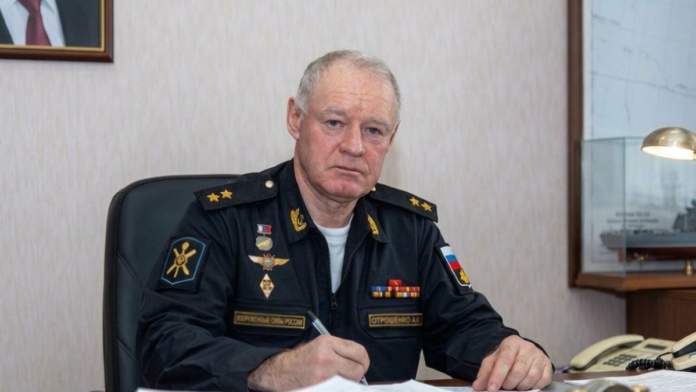
The development was disclosed by Andrei Chibis, who stated that Alexander Otroshchenko, a senior air force commander, died when a military transport aircraft crashed on March 31.
According to Russian authorities, the crash involved an Antonov An-26, which went down after reportedly striking a cliff. The accident claimed the lives of approximately 30 individuals onboard.
Why This Matters
The senior Russian commander air crash carries significant implications for military operations and aviation safety.
This situation matters because:
- A high-ranking commander was lost in the incident
- Military aviation safety is under renewed scrutiny
- Operational readiness may be affected
- It highlights risks associated with aging aircraft fleets
Such developments often prompt reviews of safety protocols and equipment reliability.
Details of the Crash and Casualties
Identity and Role of the Commander
Alexander Otroshchenko served as commander of the 45th Army of the Northern Fleet’s Air Force and Air Defence.
His responsibilities included:
- Overseeing air defence operations
- Coordinating military aviation units
- Managing strategic air capabilities in northern regions
His death represents a notable loss within Russia’s military leadership.
Aircraft and Crash Circumstances
The aircraft involved, an Antonov An-26, has been in service since the late 1960s.
Key details of the incident include:
- Crash date: March 31
- Location: Crimea
- Fatalities: Around 30 people
- Preliminary cause: Technical malfunction
Officials indicated that the plane collided with terrain before crashing.
Historical Safety Concerns
The An-26 model has a history of incidents:
- A 2022 crash in Zaporizhzhia region resulted in casualties
- A 2020 training in northeastern Ukraine caused multiple deaths
- Previous accidents occurred in South Sudan and Ivory Coast
These incidents contribute to ongoing concerns about the aircraft’s safety record.
Context Within Military Aviation
The senior Russian commander air crash occurs amid broader discussions about military aviation systems.
Many countries continue to operate aging aircraft due to:
- Cost constraints
- Established logistics systems
- Proven operational utility
However, incidents like this highlight the importance of modernization and maintenance.
Analysis and Thoughts
The senior Russian commander air crash underscores both operational and strategic challenges.
From one perspective:
- It emphasizes the risks tied to older aircraft
- It may trigger internal reviews within the military
From another standpoint:
- The loss of experienced leadership could impact coordination
- It raises broader concerns about aviation infrastructure
Balancing operational readiness with safety remains a key issue.
Impact on Military and Public Perception
The crash may influence:
- Confidence in military aviation systems
- Public perception of safety standards
- Internal decision-making regarding fleet upgrades
Such incidents often lead to increased transparency demands.
Expectations Moving Forward
Observers expect:
- A detailed investigation into the crash
- Possible policy adjustments on aircraft usage
- Enhanced safety checks and protocols
- Consideration of fleet modernization
The findings of the investigation will be crucial in determining next steps.
What Next
Looking ahead, several developments are anticipated:
- Official investigation reports
- Military reassessment of aircraft safety
- Potential upgrades or replacements
- Continued monitoring of aviation incidents
The situation remains under review as authorities gather more information.

