
Table of Contents
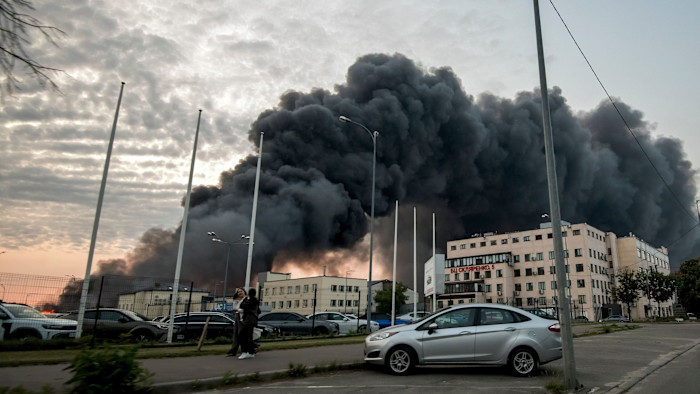
Russia attacks Ukraine with missiles and drones overnight left at least 20 people injured across multiple regions, according to local Ukrainian authorities and reports from Reuters. The strikes targeted energy infrastructure, residential buildings, and major cities including Kyiv and Kharkiv.
Officials confirmed that ballistic missiles, cruise missiles, and waves of drones were launched during the night. Emergency services continue rescue operations while damage assessments are ongoing.
Background: Why the Russia Attacks Ukraine with Missiles and Drones Overnight Matters
Ongoing War Context
The conflict between Russia and Ukraine has been ongoing for years, with recent months marked by intensified aerial strikes targeting infrastructure. Such attacks often aim to disrupt daily life, weaken energy supply, and strain emergency response systems.
Recent strategies have focused heavily on power plants and heating facilities, especially during colder seasons. These actions have caused prolonged blackouts and increased humanitarian challenges in affected regions.
The overnight strikes represent a continuation of that broader military approach. Analysts say the frequency of drone use has increased because they are cheaper and harder to intercept than traditional missiles.
Details of the Russia Attacks Ukraine with Missiles and Drones Overnight
Locations Targeted
Authorities reported that missiles were directed at multiple regions including Kyiv, the Kyiv region, and Kharkiv. Meanwhile, drone strikes heavily affected southern areas such as Zaporizhzhia.
In Kharkiv region alone, at least 14 people were injured, including a seven-year-old child. Local officials stated that two missiles and approximately 17 drones were involved in the attack there.
Zaporizhzhia suffered widespread residential damage. Officials reported that about 19 apartment buildings were hit, and roughly 500 homes lost heating due to infrastructure destruction.
Damage and Casualties
Emergency services confirmed that falling debris from intercepted missiles damaged buildings across three districts of Kyiv. Fires broke out in several residential areas, but most were quickly contained.
Photographs released by local authorities showed shattered windows, collapsed walls, and destroyed private homes. Some commercial shops were also severely damaged.
While casualties remained relatively limited compared to previous strikes, the psychological impact on civilians continues to grow. Many residents spent hours in underground shelters as air raid sirens sounded overnight.
Weapons Used
Authorities have not disclosed the exact number of missiles or drones launched. However, military analysts noted that the combination of ballistic and cruise missiles alongside drone swarms indicates a coordinated attack strategy.
Ballistic missiles travel at extremely high speeds and are difficult to intercept. Cruise missiles, on the other hand, fly at lower altitudes and can change direction, making them harder to detect.
Drones are often used to overwhelm air defenses before missile strikes follow. This tactic increases the chances of infrastructure damage.
Analysis: Impact of the Russia Attacks Ukraine with Missiles and Drones Overnight
Military Strategy Perspective
Experts believe these strikes are designed to weaken Ukraine’s resilience by targeting essential infrastructure. Power outages, heating disruptions, and damaged transportation systems create long-term pressure on civilian life.
Using drones in large numbers also allows attacking forces to conserve expensive missile stockpiles while still causing significant damage.
Some analysts argue that such attacks may also serve psychological warfare purposes. Continuous overnight strikes keep populations in a constant state of alert, disrupting normal routines and economic activities.
Humanitarian Impact
Residents in affected areas face immediate challenges, including lack of electricity, heating, and access to essential services. Hospitals often switch to backup generators during power outages, which can strain medical operations.
Families living in damaged homes may be forced to relocate temporarily. Winter conditions worsen the situation, especially for elderly people and children.
International organizations continue monitoring the humanitarian situation closely. Relief efforts may increase if infrastructure damage expands further.
Political and Global Reactions
Global leaders have repeatedly condemned attacks targeting civilian infrastructure. Many countries continue to provide military and humanitarian aid to Ukraine.
Diplomatic tensions remain high as calls for peace negotiations persist. However, the continuation of such attacks suggests that a resolution may not come soon.
What Next After the Russia Attacks Ukraine with Missiles and Drones Overnight
Immediate Response Actions
Emergency teams are currently clearing debris, restoring electricity, and assessing structural damage. Repairs to heating systems are expected to take days in some areas.
Authorities also continue to investigate the scale of the attack, including identifying exact targets and the number of weapons used.
Air defense units remain on high alert, anticipating potential follow-up strikes.
Possible Future Developments
Military experts predict that drone attacks may continue as part of ongoing warfare tactics. Infrastructure protection will likely remain a priority for Ukrainian defense forces.
International diplomatic discussions may intensify following renewed attacks on civilian areas. Additional sanctions or aid packages could also be announced in response.
The Russia attacks Ukraine with missiles and drones overnight highlight the ongoing intensity of the conflict and its continued impact on civilians. Recovery efforts are underway, while global attention remains focused on the evolving situation.

