
Table of Contents
European Union leaders are facing a difficult challenge as they work towards an agreement on the bloc’s next long-term budget.
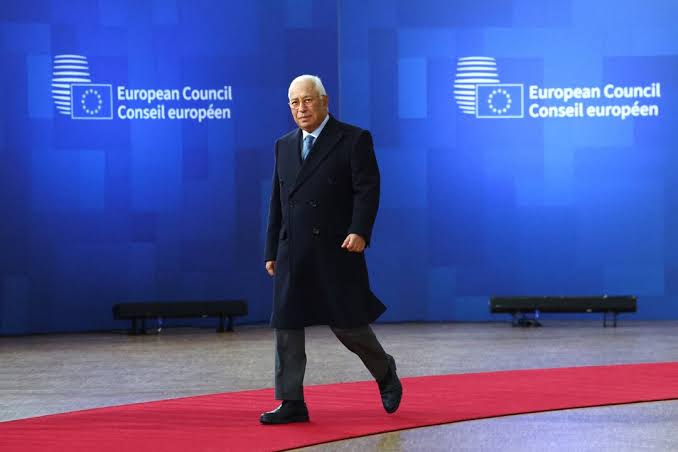
European Council President Antonio Costa wants member states to move closer to a deal during a special summit in Brussels. However, several countries remain unhappy with the current proposals.
The Netherlands is among those calling for changes. Dutch Prime Minister Rob Jetten has argued that the proposed budget should be smaller and more modern before his country can support it.
The disagreement matters because the next EU budget will shape how the bloc funds important priorities, including security, defence, farming, economic growth and support for poorer regions.
This article explains what is happening, why some countries oppose the proposals and what the disagreement could mean for the European Union.
Read: the-dick-cavett-show-episode-banned-after-guest-dies-live
Quick Summary: What Is Happening With the EU Budget Deal?
European Council President Antonio Costa is trying to bring EU leaders closer to an agreement on the bloc’s 2028-2034 budget.
During the November 26 summit in Brussels, Costa said the EU needed a long-term budget capable of funding its main priorities.
However, Dutch Prime Minister Rob Jetten said the Netherlands was not ready to accept the current proposal. He argued that the budget needed to be modernised and reduced in size.
The main developments include:
- Costa wants EU leaders to make progress towards a budget agreement.
- The Netherlands is demanding a smaller and more modern spending plan.
- Countries disagree over how much money the EU should spend and how it should be distributed.
- Leaders are also discussing new sources of revenue.
- The 2028-2034 budget requires unanimous approval from all 27 EU member states.
No final agreement had been reached at the start of the summit.
Why Is Antonio Costa Trying to Secure a Budget Deal?
A Long-Term Financial Plan for Europe
Antonio Costa, President of the European Council, is leading efforts to build support for the EU’s next seven-year financial plan.
The budget will cover the period from 2028 to 2034. It is also known as the Multiannual Financial Framework, or MFF.
It sets spending limits and helps decide how money will be shared across EU programmes and priorities.
Costa believes the next budget must reflect the challenges facing Europe.
Speaking to reporters before the Brussels summit, he said his objective was to bring leaders closer to an agreement.
He also stressed the need for a long-term budget that could fund the bloc’s main priorities.
What Does Costa Want the Budget to Support?
According to the European Council, Costa wants a financial plan that can support several important areas.
These include:
- Security and defence: Increasing Europe’s ability to respond to security threats.
- Economic competitiveness: Helping European businesses compete internationally.
- Agriculture: Supporting farmers and the EU’s agricultural sector.
- Regional development: Helping cities, towns and less wealthy regions.
- Energy and housing: Responding to concerns about the cost of energy and housing.
- Global engagement: Giving Europe the resources to play a stronger role internationally.
The challenge is finding enough money for these priorities without placing an unreasonable financial burden on member states.
Why Is the Netherlands Opposing the Current EU Budget Proposal?
Rob Jetten Wants a Smaller Budget
Dutch Prime Minister Rob Jetten has made it clear that his country is not satisfied with the proposals currently on the table.
Before the summit, he said the budget needed to be modernised and reduced if leaders wanted to reach an agreement.
He also called on Costa to present a better proposal.
The Netherlands is a net contributor to the EU budget. This means it generally pays more into the EU budget than it receives in direct EU spending.
As a result, Dutch leaders are concerned about the amount their country may have to contribute.
The Netherlands is not alone. Other net-contributing countries also want tighter control over spending and national payments.
What Does ‘Net Contributor’ Mean?
A net contributor is a country that pays more into a shared financial system than it receives back in direct funding.
In the European Union, countries contribute to the common budget. The money is then used to support programmes and projects across member states.
For example:
- A country may contribute billions of euros to the EU budget.
- Some of that money may fund agricultural programmes in another member state.
- It may also support infrastructure, research or development projects in poorer regions.
- The contributing country may receive less direct funding than the amount it pays in.
Net contributors often want the EU to spend carefully and ensure that the money delivers clear benefits.
How Much Is the EU’s Next Budget Worth?
The proposed budget for 2028-2034 is worth approximately €1.58 trillion under the latest negotiating proposal presented by Costa.
The figure includes money set aside to repay borrowing linked to the EU’s pandemic-era recovery funding.
The proposed financial plan is designed to cover seven years of EU spending.
Major areas of spending include:
- Support for European farmers.
- Development funding for poorer regions.
- Security and defence.
- Economic competitiveness.
- Research and other strategic investments.
- Financial support for Ukraine.
The size of the budget is one of the central disagreements between member states.
Some countries believe Europe needs greater financial resources to deal with new challenges. Others argue that spending should be reduced and focused on fewer priorities.
What Are the Main Disagreements Between EU Countries?
1. The Overall Size of the Budget
One major disagreement is how much money the European Union should spend between 2028 and 2034.
Net contributors want tighter spending and lower national contributions.
Other member states argue that the EU needs sufficient funding to support farmers, poorer regions and important development programmes.
2. How the Money Should Be Shared
Countries also disagree about which priorities should receive the largest share of the budget.
Some governments want more money directed towards defence, security and economic competitiveness.
Others want established programmes, particularly agricultural support and regional development, to remain strongly funded.
3. How the EU Should Raise Money
Another important issue is how the EU should finance its budget.
Costa’s proposal includes a basket of possible new revenue sources, sometimes called EU own resources.
These include:
- Revenue from digital services.
- Levies linked to non-recycled electronic waste.
- Tobacco-related revenue.
- Income connected to the carbon border adjustment mechanism.
- Revenue from the EU emissions trading system.
The aim is to create additional sources of EU income and help keep national contributions at reasonable levels.
However, introducing new revenue sources also requires agreement among member states.
Why Is Ukraine Part of the EU Budget Discussion?
The EU’s financial discussions are not limited to internal spending.
Leaders are also considering how to support Ukraine as the country continues to face the consequences of Russia’s war.
The European Council has listed Ukraine’s financial needs for 2027 as another major issue for the November 26-27 summit.
The European Commission has proposed up to €45 billion in additional financial support for Ukraine in 2027.
The wider 2028-2034 budget proposal also includes funding for Ukraine.
This creates another difficult question for EU leaders: how can the bloc support Ukraine while also funding its own security, economic and social priorities?
Some member states have raised objections to aspects of the proposed support, adding to the pressure on negotiators.
What Happens Next in the EU Budget Negotiations?
Leaders Must Find Common Ground
The November 26-27 summit is an important opportunity for EU leaders to explain their positions and narrow their differences.
However, the meeting is not necessarily expected to produce a final agreement.
Costa’s immediate task is to identify areas where member states can compromise and prepare the way for further negotiations.
A major target is a possible agreement at the European Council meeting scheduled for December 17-18, 2026.
Why Is Unanimous Approval Important?
The EU’s long-term budget requires unanimous approval from all 27 member states.
This means every country must agree before the financial plan can be adopted.
A single government can therefore prevent the proposal from moving forward if it refuses to support the final agreement.
This makes negotiations difficult, particularly when countries have different financial interests.
What Should Observers Watch During the Negotiations?
The following developments will help show whether EU leaders are moving towards an agreement:
- A revised budget proposal: Watch whether Costa presents changes to address objections from net contributors.
- The Netherlands’ position: Any change in Jetten’s position could be important for the negotiations.
- Spending priorities: Look for signs of compromise between countries seeking lower spending and those defending agricultural and regional funding.
- New revenue proposals: Watch whether leaders can agree on additional sources of EU income.
- Ukraine funding: Progress on financial support for Ukraine may influence the wider discussions.
- The December deadline: The next major summit could provide a clearer picture of whether an agreement is possible.
Common Questions About the EU Budget Deal
1. What is the EU budget deal about?
The EU budget deal concerns the bloc’s long-term financial plan for 2028 to 2034. It will determine how much money the EU can spend and how funding will be shared across its main priorities.
2. Who is Antonio Costa?
Antonio Costa is the President of the European Council. He chairs meetings of EU leaders and helps guide discussions between member states on major European issues.
3. Why does the Netherlands oppose the proposed EU budget?
Dutch Prime Minister Rob Jetten has argued that the proposed budget should be modernised and reduced in size. The Netherlands is a net contributor and wants tighter control over EU spending and national contributions.
4. How much is the proposed EU budget for 2028-2034?
The latest negotiating proposal presented by Costa totals approximately €1.58 trillion for the seven-year period. The final amount may change during negotiations.
5. When will EU leaders agree on the next budget?
EU leaders are hoping to make progress towards an agreement at the December 17-18, 2026 summit. However, the budget requires unanimous approval from all 27 member states, so the final outcome remains uncertain.
Sources and Further Reading
- Reuters: EU’s Costa aims to bring leaders closer to budget deal
- European Council: Special European Council, November 26-27, 2026
- European Council: Antonio Costa’s remarks before the summit

