
Table of Contents
Ebola is a serious viral disease that can cause severe illness and requires urgent medical attention. One important thing to understand about the disease is that symptoms do not always appear immediately after a person becomes infected.
The Ebola incubation period is the time between infection and the appearance of the first symptoms. It usually ranges from 2 to 21 days. This means an infected person may begin to feel sick a few days after exposure or may remain without symptoms for up to three weeks.
Understanding this period is important for people who may have been exposed to Ebola, their families and healthcare workers. It helps explain why health authorities monitor exposed individuals for 21 days and why early reporting of symptoms matters.
This guide explains the Ebola incubation period, when symptoms may appear, how the virus spreads, what warning signs to watch for and what to do after possible exposure.
Quick Answer: How Long Is the Ebola Incubation Period?
The Ebola incubation period is 2 to 21 days after infection.
According to the World Health Organization (WHO), symptoms can begin at any point within this period. The average time before symptoms appear is around 8 to 10 days, although this can vary.
Here are the important facts:
- Earliest possible symptom onset: 2 days after infection.
- Latest usual symptom onset: 21 days after infection.
- Average time before symptoms: Around 8–10 days.
- Monitoring period: 21 days after the last possible exposure, as directed by public health authorities.
- Infectious period: People with Ebola are generally able to spread the virus after symptoms begin, not during the incubation period.
The 21-day period is important because someone who has been exposed may not show symptoms immediately. WHO
What Is the Ebola Incubation Period?
The incubation period is the time between when a person becomes infected with a virus and when the first symptoms appear.
For Ebola, this period is between 2 and 21 days.
During this time, an infected person may feel completely normal. They may not have a fever, headache, weakness or other signs of illness.
This can make it difficult to identify an infection based on appearance alone.
However, Ebola has an important feature: people are generally not considered infectious until they develop symptoms. This means an infected person who has no symptoms during the incubation period is not usually able to spread Ebola to others.
Once symptoms begin, the person may become infectious through direct contact with their blood or other body fluids.
Why Is the Incubation Period Important?
Understanding the incubation period helps health authorities and healthcare workers:
- Identify people who may have been exposed.
- Monitor exposed individuals for possible symptoms.
- Detect suspected cases early.
- Arrange testing and medical care.
- Reduce the risk of further transmission.
- Trace people who may have had contact with an infected person.
It also helps families understand why a person may need monitoring even when they feel healthy.
Understanding the 2–21-Day Ebola Window
The 2–21-day window describes the possible time between infection and the beginning of symptoms.
It does not mean that everyone will develop symptoms on the 21st day. Some people may become sick much earlier.
For example:
| Time after infection | What it means |
|---|---|
| Days 1 | Usually too early for symptoms to appear |
| Days 2–7 | Symptoms may begin during this period |
| Days 8–10 | Around the average time symptoms begin |
| Days 11–20 | Symptoms may still develop |
| Day 21 | End of the usual incubation window |
This timeline is a general guide, not a way to diagnose Ebola or predict exactly when someone will become sick.
What Are the Early Symptoms of Ebola?
Ebola symptoms can appear suddenly. The first signs may look similar to common illnesses such as malaria, typhoid fever or influenza.
This makes it important to consider a person’s exposure history as well as their symptoms.
According to the WHO and the US Centers for Disease Control and Prevention (CDC), early symptoms may include:
- Fever.
- Severe headache.
- Unusual tiredness or weakness.
- Muscle and joint pain.
- Sore throat.
- Loss of appetite.
- General body discomfort.
These symptoms do not automatically mean someone has Ebola. Many other infections can cause similar problems.
However, anyone who develops these symptoms after a possible Ebola exposure needs urgent medical assessment.
Later Symptoms of Ebola
As the illness progresses, additional symptoms may develop.
These can include:
- Vomiting.
- Severe diarrhoea.
- Stomach pain.
- Skin rash.
- Red eyes.
- Weakness and dehydration.
- Problems affecting the kidneys and liver.
- Internal or external bleeding in some cases.
Bleeding is not present in every Ebola patient. It is a mistake to assume that someone must bleed before Ebola can be suspected.
Early recognition and medical care are important. CDC
Can a Person Spread Ebola During the Incubation Period?
No. People infected with Ebola are generally not considered infectious before symptoms begin.
This is an important difference between Ebola and some other infectious diseases.
Transmission usually happens when a person who has developed symptoms has direct contact with another person’s body through infectious fluids.
These fluids may include:
- Blood.
- Vomit.
- Diarrhoea.
- Urine.
- Saliva.
- Sweat.
- Breast milk.
- Semen.
- Other body fluids.
The virus can also spread through contact with objects contaminated by infectious body fluids, such as used needles, medical equipment, clothing and bedding.
Once symptoms begin, the risk of transmission becomes a serious concern, particularly when people have direct contact with the patient’s body fluids.
Is Ebola Spread Through the Air?
Ebola is not generally spread through the air like measles or common respiratory infections.
It mainly spreads through direct contact with the blood or body fluids of an infected person who has developed symptoms, or through contaminated objects.
This does not mean people should ignore precautions. Healthcare workers and family members caring for suspected or confirmed patients must follow proper infection prevention and control measures.
Who Is at Risk of Ebola Infection?
Not everyone who lives in an affected country or area is automatically at risk of Ebola.
The greatest risk is usually among people who have had direct exposure to an infected person’s body fluids or contaminated materials.
Groups that may face increased risk include:
1. Family Members and Close Contacts
People caring for someone with Ebola may be exposed if they touch the person’s blood, vomit, diarrhoea or other infectious fluids without proper protection.
2. Healthcare Workers
Doctors, nurses, laboratory workers and other healthcare staff may face exposure when caring for suspected or confirmed patients without the required protective measures.
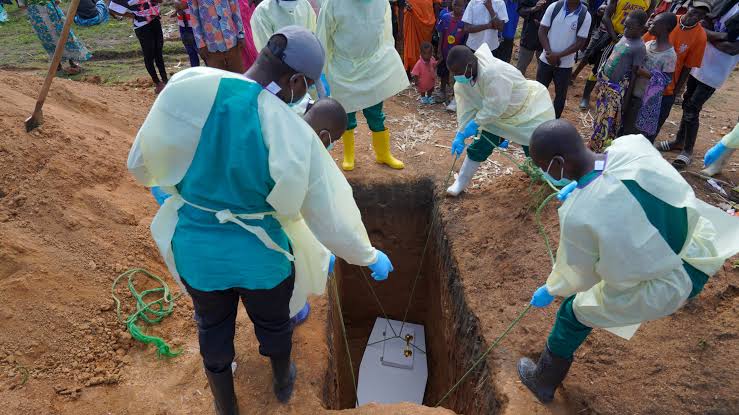
3. People Involved in Unsafe Burial Practices
A person who touches the body of someone who died from Ebola may become infected.
This is why safe and dignified burial procedures are essential during outbreaks.
4. People Handling Infected Animals
Ebola can spread to humans through contact with infected wild animals or their body fluids and tissues.
Potential sources include fruit bats and certain infected wild mammals, such as non-human primates.
Avoid handling sick or dead wild animals, especially in areas affected by an outbreak.
What Should You Do After Possible Ebola Exposure?
If you believe you have been exposed to Ebola, do not wait until you feel sick before seeking advice.
Early reporting helps health authorities assess your risk and decide what monitoring or other measures are needed.
Follow these steps:
- Contact health authorities: Inform a healthcare provider or local public health authority about the possible exposure.
- Explain what happened: Give accurate details about when and how the contact occurred.
- Follow monitoring instructions: You may be asked to monitor your health for 21 days after the last possible exposure.
- Report symptoms immediately: Do not wait for symptoms to become severe.
- Follow infection-control advice: Avoid direct contact with other people if symptoms develop and follow the instructions given by health officials.
- Do not travel without guidance: Follow public health advice about travel and movement during monitoring.
If you develop a fever or other possible Ebola symptoms after an exposure, contact health authorities immediately. Call ahead before visiting a hospital or health facility so they can prepare appropriate infection-control measures.
What Should You Avoid After Possible Exposure?
Avoid these mistakes:
- Do not hide or delay reporting a possible exposure.
- Do not assume you are safe simply because you feel healthy.
- Do not touch the blood or body fluids of a suspected Ebola patient.
- Do not share potentially contaminated needles or medical equipment.
- Do not handle the body of someone suspected to have died from Ebola.
- Do not rely on home remedies or self-medication instead of professional assessment.
How Is Ebola Diagnosed?
Ebola cannot be confirmed by symptoms alone.
Early symptoms can resemble malaria, typhoid fever and other infections. A healthcare professional must assess the person’s symptoms and exposure history.
Laboratory testing is needed to confirm the disease.
One commonly used method is a molecular test called reverse transcription polymerase chain reaction (RT-PCR), which looks for genetic material from the virus.
Testing must be arranged and handled by trained healthcare professionals using appropriate safety procedures.
A person with suspected Ebola should be managed according to public health guidance while testing is arranged.
Can Ebola Be Treated?
Yes. Medical care is available for people with Ebola, although treatment depends on the virus type and the patient’s condition.
Treatment may include:
- Replacing fluids lost through vomiting and diarrhoea.
- Maintaining the body’s electrolyte balance.
- Supporting blood pressure and oxygen levels.
- Managing pain, fever and other symptoms.
- Treating complications and other infections when necessary.
- Using approved medicines where appropriate for the Ebola virus type.
For Ebola disease caused by the Zaire ebolavirus species, specific monoclonal antibody treatments are available.
Early medical care and supportive treatment can improve a patient’s chances of survival.
There are also vaccines approved for certain Ebola virus types. Vaccine availability and use depend on the outbreak, virus type and public health recommendations.
How Can Ebola Be Prevented?
Preventing Ebola requires awareness, safe practices and a quick public health response.
The following measures can help reduce the risk of infection.
1. Avoid Direct Contact with Suspected Cases
Do not touch the blood, vomit, diarrhoea or other body fluids of someone suspected or confirmed to have Ebola.
2. Follow Healthcare Safety Guidelines
Healthcare workers should use appropriate personal protective equipment and follow infection prevention procedures.
3. Practise Safe Burial Procedures
Bodies of people who die from suspected or confirmed Ebola must be handled by trained teams following approved safety procedures.
4. Avoid Handling Sick or Dead Wild Animals
Do not touch or prepare wild animals found sick or dead, particularly in areas affected by Ebola outbreaks.
5. Maintain Good Hygiene
Wash your hands regularly with soap and safe water or use an appropriate alcohol-based hand sanitiser.
Good hygiene supports general infection prevention, although it does not replace the precautions needed after a known Ebola exposure.
6. Follow Official Health Updates
During an outbreak, rely on information from recognised public health authorities rather than rumours or unverified social media posts.
Frequently Asked Questions About the Ebola Incubation Period
1. How long does Ebola take to show symptoms?
Ebola symptoms usually appear between 2 and 21 days after infection. The average time before symptoms begin is around 8 to 10 days, although this varies from person to person.
2. Can Ebola symptoms appear after 21 days?
The recognised incubation period for Ebola is 2 to 21 days. If someone has no symptoms after 21 days from their last possible exposure, they have generally passed the usual incubation window for that exposure. Public health authorities should guide the monitoring period, especially if another exposure occurs.
3. Can someone spread Ebola before showing symptoms?
People infected with Ebola are generally not infectious during the incubation period. They can spread the virus after symptoms begin through direct contact with their blood or other infectious body fluids.
4. What are the first signs of Ebola?
Early signs may include sudden fever, severe headache, weakness, tiredness, muscle pain, joint pain and sore throat. These symptoms can resemble other illnesses, so exposure history and professional testing are important.
5. What should I do if I have been exposed to Ebola?
Contact a healthcare provider or local public health authority immediately. Explain the possible exposure, follow instructions for monitoring your health and report any symptoms without delay. Do not wait until you become seriously ill before seeking advice.
Trustworthy External Sources
For accurate and updated information about Ebola, use these recognised health authorities:
- World Health Organization (WHO) – Ebola Disease: Incubation period, symptoms, transmission, prevention and treatment.
- Centers for Disease Control and Prevention (CDC) – Ebola Signs and Symptoms: Early and later symptoms and when to seek medical attention.
- Nigeria Centre for Disease Control and Prevention (NCDC): Ebola information and public health guidance relevant to Nigeria.
- CDC – Ebola Disease Basics: Information about Ebola virus types, monitoring, testing and treatment.
- NHS – Ebola: General information about symptoms, prevention and travel-related precautions.

