
Table of Contents
The China flood rescue operation expanded across several provinces on Wednesday after torrential rainfall triggered severe flooding that killed at least 25 people and forced emergency workers to evacuate trapped residents using boats and swimming rescues.
Authorities warned that additional heavy rainfall is expected in large parts of southern and central China, increasing the risk of landslides, flash floods, and urban waterlogging.
Emergency crews, military personnel, and local rescue teams have been deployed to affected regions as floodwaters continue disrupting transportation, businesses, schools, and residential communities.
Chinese state media showed dramatic rescue scenes involving elderly residents trapped inside flooded homes, emergency workers navigating deep water, and aerial footage revealing widespread destruction across multiple provinces.
Read: OFFICIAL: ICE Arrests More Than 800 People Using TSA Tips in Airport Crackdown
Torrential Rain Causes Severe Flooding Across China
The China flood rescue effort comes after days of intense rainfall impacted central and southwest China.
Authorities confirmed that several provinces experienced dangerous flooding conditions, including:
- Guangdong Province
- Hubei Province
- Hunan Province
- Guizhou Province
- Guangxi
- Jiangxi Province
- Anhui Province
- Hainan
Meteorologists warned that the weather system responsible for the flooding remains active and may continue affecting large parts of the country in the coming days.
Rescue Teams Swim Through Floodwaters to Save Residents
Emergency personnel carried out dangerous rescue missions in heavily flooded communities.
In some locations, rescue workers used inflatable boats to evacuate stranded residents. Other responders reportedly swam through buildings filled with chest-high floodwaters to reach trapped civilians.
Footage broadcast by China Central Television showed rescue teams struggling through strong flood currents while assisting elderly residents to safety.
One dramatic rescue operation reportedly took more than an hour as emergency crews worked to free a man trapped behind a door in deep floodwater.
Authorities praised the efforts of rescue personnel who continued operations despite difficult conditions.
Guangdong Towns Severely Affected
Flooding caused major destruction in parts of southern Guangdong province.
In Dachong town, floodwaters submerged streets, homes, and vehicles. Videos shared online showed scooters almost completely underwater, with only handlebars visible above the surface.
Emergency workers in inflatable boats rescued residents stranded on rooftops and trees.
One widely shared video showed a man trapped in a tree surrounded by floodwater before rescue crews reached him safely.
Businesses and schools in several areas were temporarily shut down as authorities focused on emergency response operations.
Hubei Province Faces Widespread Flood Damage
The China flood rescue operation was particularly intense in Hubei province, where widespread flooding affected both urban and rural communities.
Aerial footage revealed large sections of land submerged under water.
Emergency responders moved through flooded neighborhoods using boats while military personnel helped residents evacuate homes and shelters.
Older residents were among the most vulnerable during the flooding.
Officials confirmed that many rescue operations focused on elderly citizens unable to leave their homes without assistance.
Why the Flooding Became So Severe
Chinese meteorologists explained that several weather systems combined to create unusually intense rainfall across a massive geographic area.
Moisture from the following regions reportedly contributed to the storms:
- Bay of Bengal
- South China Sea
- Pacific Ocean
Experts said the slow movement of the storm system allowed rainfall to accumulate over long periods, significantly increasing flood risks.
More Heavy Rain Expected Across China
China’s weather bureau warned that another round of intense rainfall is expected to arrive on Thursday.
Officials identified several high-risk regions likely to experience additional storms, including:
- Shaanxi Province
- Sichuan Province
- Hunan Province
- Guangxi
- Guangdong Province
Authorities urged residents to remain alert for emergency warnings involving flooding, landslides, and transportation disruptions.
Transportation and Daily Life Disrupted
The flooding severely disrupted daily activities across many affected communities.
Several transportation routes became impassable due to rising water levels.
Authorities reported:
- Road closures
- Public transport disruptions
- School shutdowns
- Temporary business closures
- Power interruptions in some locations
Flooded streets also made it difficult for emergency crews to reach isolated communities quickly.
Local governments advised residents to avoid unnecessary travel during the ongoing storms.
Climate Concerns Grow as Extreme Weather Increases
The China flood rescue crisis has renewed attention on the increasing frequency of extreme weather events.
Climate experts warn that rising global temperatures may contribute to stronger rainfall systems and more severe flooding events.
Several Asian countries have experienced major flooding disasters in recent years linked to:
- Heavier rainfall patterns
- Urban drainage limitations
- River overflow
- Land erosion
- Climate variability
China has invested heavily in flood prevention infrastructure, but rapid urbanization continues creating additional challenges for emergency management systems.
Rescue Operations Continue Around the Clock
Emergency teams remain active across the affected provinces.
Chinese authorities deployed:
- Rescue boats
- Medical teams
- Military personnel
- Emergency shelters
- Water pumping equipment
Local officials also coordinated food distribution and temporary accommodation for displaced residents.
Some communities remain inaccessible due to damaged roads and high water levels.
Social Media Videos Reveal Scale of Disaster
Videos circulating on Chinese social media platforms showed the devastating impact of the flooding.
Footage included:
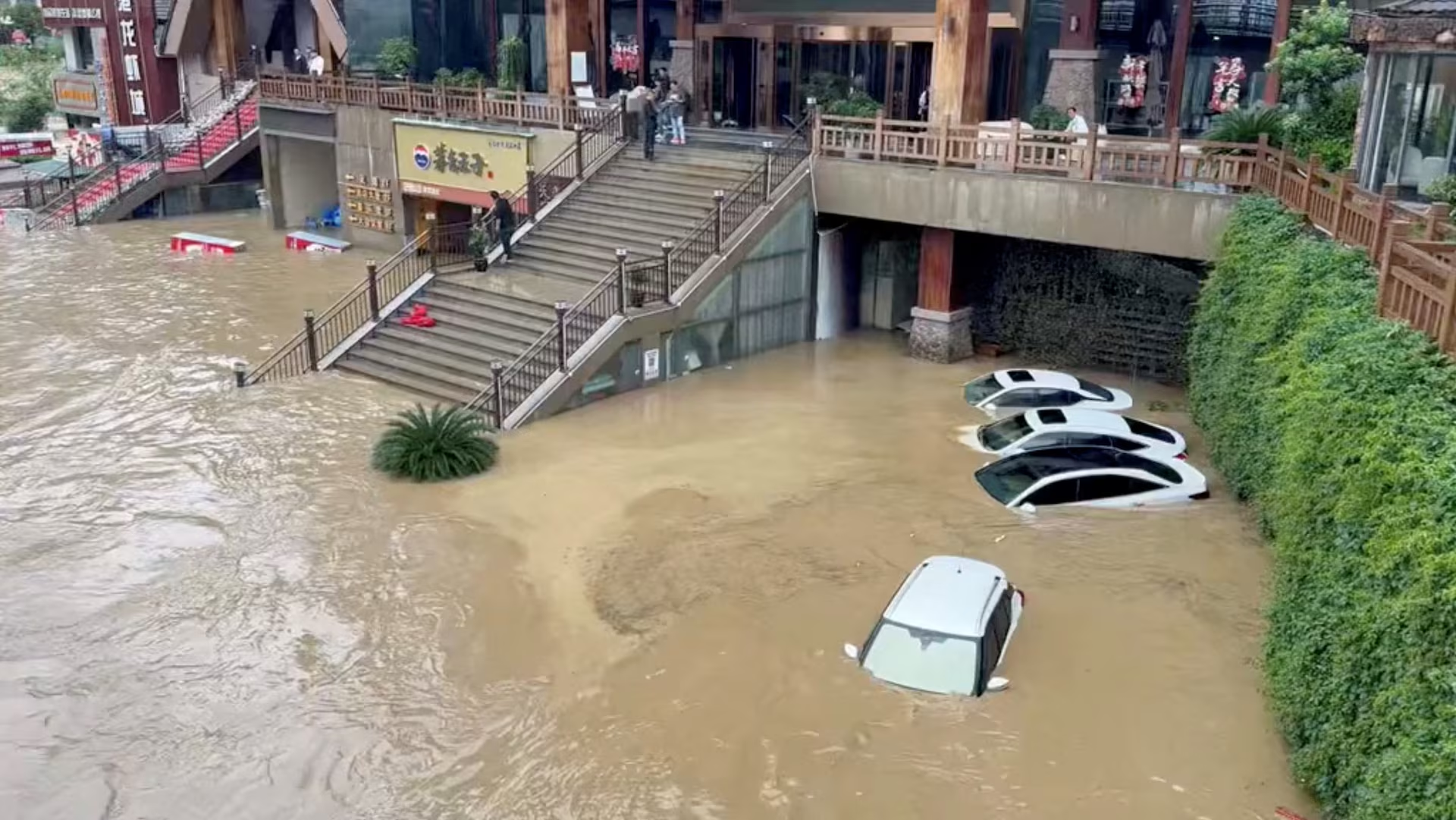
- Cars partially submerged in floodwaters
- Homes surrounded by water
- Rescue boats moving through city streets
- Emergency crews carrying residents to safety
- Streets transformed into rivers
Many videos quickly gained widespread attention online as residents documented conditions in affected areas.
Urban Flooding Becomes Major Challenge
Several cities struggled with severe urban flooding during the storms.
Urban waterlogging occurs when drainage systems become overwhelmed by excessive rainfall, causing streets and buildings to flood rapidly.
Experts say dense urban construction often increases flood risks because water cannot drain naturally into the ground.
Chinese authorities have expanded investments in drainage systems and flood management projects in recent years, but major storms continue testing city infrastructure.
Economic Impact of the Flooding
The flooding is expected to create significant economic losses.
Potential impacts include:
- Damage to homes and businesses
- Agricultural losses
- Transportation delays
- Infrastructure repair costs
- Supply chain disruptions
Insurance companies and local governments are still assessing the full scale of the destruction.
Several regions dependent on manufacturing and trade may also face temporary economic slowdowns due to flood-related disruptions.
Why the China Flood Rescue Effort Matters
The scale of the China flood rescue operation highlights the growing importance of emergency preparedness in densely populated regions vulnerable to extreme weather.
The disaster also demonstrates the increasing risks associated with climate-driven weather systems.
China’s ability to coordinate large-scale rescue missions involving military personnel, emergency workers, and local governments will likely shape future disaster response planning.
International climate experts continue warning that severe flooding events may become more common globally.
Key Developments From the China Flood Rescue Operation
Casualties and Damage
- At least 25 people confirmed dead
- Homes and businesses flooded
- Vehicles submerged
- Transportation disrupted
Rescue Operations
- Boats used for evacuations
- Rescuers swam through buildings
- Elderly residents prioritized
- Military teams deployed
Weather Conditions
- Heavy rainfall continues
- Flood risks remain high
- Landslide warnings issued
- Additional storms expected
Areas Most Affected
- Guangdong
- Hubei
- Hunan
- Guizhou
- Guangxi
Emergency Authorities Urge Public Caution
Chinese emergency agencies continue advising residents to remain cautious during the ongoing severe weather conditions.
Authorities recommended:
- Avoiding flooded roads
- Following evacuation orders
- Monitoring weather alerts
- Staying indoors during severe rainfall
- Preparing emergency supplies
Officials also warned residents near rivers and mountainous areas about the increased risk of flash floods and landslides.
What Happens Next?
Meteorologists expect additional heavy rainfall to continue impacting several Chinese provinces over the next few days.
Rescue operations are likely to expand if flooding worsens in vulnerable areas.
Authorities remain focused on:
- Preventing further casualties
- Restoring transportation systems
- Supporting displaced residents
- Monitoring flood levels
- Strengthening emergency response efforts
Read: OFFICIAL: ICE Arrests More Than 800 People Using TSA Tips in Airport Crackdown
FAQ Section
How many people died in the China floods?
At least 25 people were confirmed dead after torrential rain caused severe flooding across several Chinese provinces.
Which areas were most affected by the flooding?
The flooding heavily impacted Guangdong, Hubei, Hunan, Guizhou, Guangxi, Jiangxi, Anhui, and Hainan.
How are rescue teams helping residents?
Emergency personnel used boats and swimming rescues to evacuate trapped residents from flooded homes and streets.
Why did the flooding become so severe?
Meteorologists said moisture from multiple weather systems combined with slow-moving storms caused unusually heavy rainfall.
Is more rain expected in China?
Yes. Authorities warned that another round of heavy rainfall is expected across several provinces, increasing flood risks.l

