
Table of Contents
Quick Summary
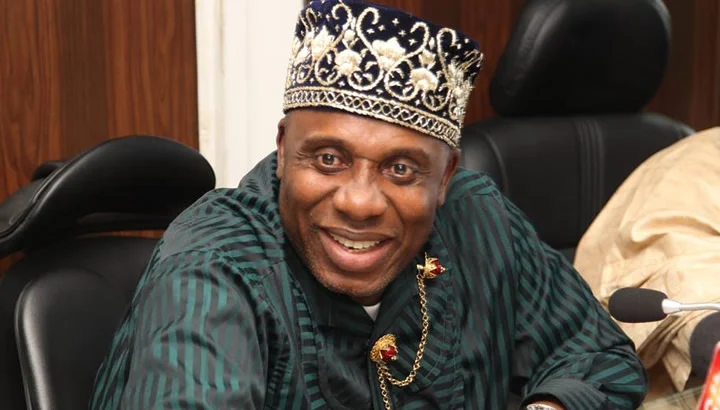
Amaechi says Tinubu not our problem became a major political talking point after former Transportation Minister Rotimi Amaechi made the statement during an opposition press conference in Abuja.
He argued that the real challenge facing Nigeria’s democracy is not President Bola Tinubu, but rather the weakness and disunity among opposition parties.
Background: Why Amaechi Says Tinubu Not Our Problem Matters
Political Context in Nigeria
The comment that Amaechi says Tinubu not our problem comes at a time when political tensions remain high across Nigeria. Opposition parties have increasingly criticized government policies, while calls for stronger democratic reforms continue to grow.
This debate reflects broader concerns about governance, accountability, and political competition. Many citizens believe that effective opposition is essential for strengthening democracy.
Amaechi’s remarks highlight a different perspective, one that shifts focus away from the ruling administration and toward internal weaknesses within opposition groups themselves.
Details of Amaechi Says Tinubu Not Our Problem
Statements Made at the Conference
During the press briefing themed “Urgent Call to Save Nigeria’s Democracy,” Amaechi says Tinubu not our problem while emphasizing that opposition parties must first address their own shortcomings.
According to him, the inability of opposition leaders to present a clear alternative has allowed the ruling government to remain dominant. He stressed that political change requires unity, strategy, and strong organization.
Amaechi also pointed out that opposition groups must clearly separate themselves from government policies to earn public trust. Without distinct positions, he argued, voters may struggle to see meaningful differences between political parties.
Comments on Electoral Reform
The former minister recalled his experience during the administration of Muhammadu Buhari. He claimed that an electoral reform bill was once delayed after some government officials advised against signing it.
He alleged that concerns about foreign interference were cited as reasons for blocking the reform at the time. This historical reference formed part of his argument that political actors often contribute to systemic challenges themselves.
Political Strategy Observations
Amaechi suggested that President Tinubu’s political strength comes partly from opposition weakness. According to his remarks, effective leadership competition requires strong rivals capable of presenting credible alternatives.
He further stated that bold political actions often succeed when opponents fail to respond effectively. This observation was presented as a lesson for opposition groups seeking to influence future elections.
Analysis: Impact of Amaechi Says Tinubu Not Our Problem
Implications for Opposition Politics
The statement Amaechi says Tinubu not our problem could significantly influence political discussions ahead of future elections. By shifting responsibility toward opposition parties, the remarks encourage internal reforms within those groups.
Political analysts suggest that such comments may push opposition leaders to focus more on unity, policy development, and strategic planning. A stronger opposition could lead to more balanced political competition.
Public Reaction and Interpretation
Some observers interpret Amaechi’s statement as a call for accountability among opposition leaders. Others see it as controversial because it appears to reduce criticism directed at the ruling administration.
Public reactions have been mixed, reflecting Nigeria’s diverse political views. While some citizens agree with the need for stronger opposition, others believe government performance remains the primary concern.
Broader Democratic Impact
Discussions around Amaechi says Tinubu not our problem highlight a key principle of democratic systems, the importance of effective political competition.
A vibrant opposition often plays a crucial role in ensuring accountability, encouraging policy debates, and representing diverse viewpoints within society.
What Next After Amaechi Says Tinubu Not Our Problem
Possible Political Developments
Following the conference, political analysts expect increased dialogue among opposition parties regarding collaboration and reform strategies. Efforts to strengthen alliances may become more prominent in upcoming political cycles.
Future press briefings and policy proposals could also emerge as opposition groups respond to Amaechi’s comments.
Potential Electoral Implications
If opposition parties successfully address internal weaknesses, political competition in Nigeria could become more dynamic. This development may influence voter engagement and campaign strategies.
Observers will likely monitor whether these discussions lead to concrete policy changes or organizational reforms.
The statement Amaechi says Tinubu not our problem has sparked widespread debate about the role of opposition parties in shaping Nigeria’s political future. As discussions continue, attention remains focused on how political actors respond to calls for reform and unity.

