
Table of Contents
The Iranian women’s soccer squad asylum decision has drawn global attention after members of the national delegation sought asylum in Australia during an international football tournament. The development emerged when two additional members of the delegation reportedly accepted assistance from Australian authorities before one of them later reconsidered the decision and opted to return to her home country.
Officials confirmed that the situation unfolded after the team participated in matches held in Sydney during a regional competition earlier this month. Concerns about the players’ safety and potential repercussions at home intensified following reports that Iranian state television criticized members of the squad.
Authorities in Australia acknowledged the developments while emphasizing that all individuals were given the freedom to decide their next steps.
The unfolding situation has since sparked widespread discussion about athlete safety, political pressures in sports, and asylum options available during international competitions.

Quick Summary
Iranian women’s soccer squad asylum decision explained
The Iranian women’s soccer squad asylum decision refers to the situation in which several members of the Iranian women’s national football delegation sought asylum while visiting Australia for an international tournament.
Australian government officials confirmed that some players accepted assistance, while one later decided to return to Iran after initially choosing to remain abroad.
Australian officials confirm player options
According to statements from Tony Burke, Australia’s Home Affairs Minister, members of the team were informed about available options when they arrived at the airport before departing the country.
Authorities stated that decisions were made without pressure and that individuals were allowed to change their minds.
Background
Why the Iranian women’s soccer squad asylum decision matters
The Iranian women’s soccer squad asylum decision has become a significant international sports and political story because it involves national athletes navigating personal safety concerns while representing their country abroad.
Athletes who compete internationally sometimes face complex situations involving political tensions or public scrutiny at home.
In this case, concerns reportedly increased after Iranian state media described members of the team as “wartime traitors” for refusing to sing the national anthem during a match.
The incident reportedly occurred during a women’s football competition held in Australia.
When such moments arise, they often raise broader questions about the intersection of sports, national identity, and political expression.
International sports competitions usually focus on athletic performance.
However, events like this demonstrate how sports can sometimes intersect with political and human rights issues.
Growing global interest in athlete asylum cases
Cases involving athletes seeking asylum have occurred periodically across various sports.
International tournaments sometimes provide athletes with rare opportunities to travel outside their home countries.
During those trips, athletes may evaluate personal safety concerns or political pressures.
Such decisions often attract global media attention because they highlight the personal challenges faced by individuals competing at the highest levels of sport.
The Iranian women’s soccer squad asylum decision therefore fits within a broader pattern of athlete-related asylum discussions seen over the years.
Details
Iranian women’s soccer squad asylum decision involving multiple team members
The developments surrounding the Iranian women’s soccer squad asylum decision began when several members of the delegation reportedly requested protection after arriving in Australia.
Among those mentioned in official statements was 21-year-old striker Mohaddeseh Zolfi.
A member of the team’s support staff, Zahra Soltan Moshkehkar, was also identified in reports discussing the situation.
Authorities confirmed that Australian Federal Police assisted in separating the individuals from team minders before they boarded a domestic flight to Sydney.
Officials later said that the individuals were taken to a secure location while authorities processed their requests.
However, according to statements made in parliament, one of the two individuals who initially decided to remain in Australia later reconsidered the decision.
The person reportedly contacted the Iranian embassy and indicated a desire to return home.
Government officials stated that the decision was respected and that travel arrangements were allowed.
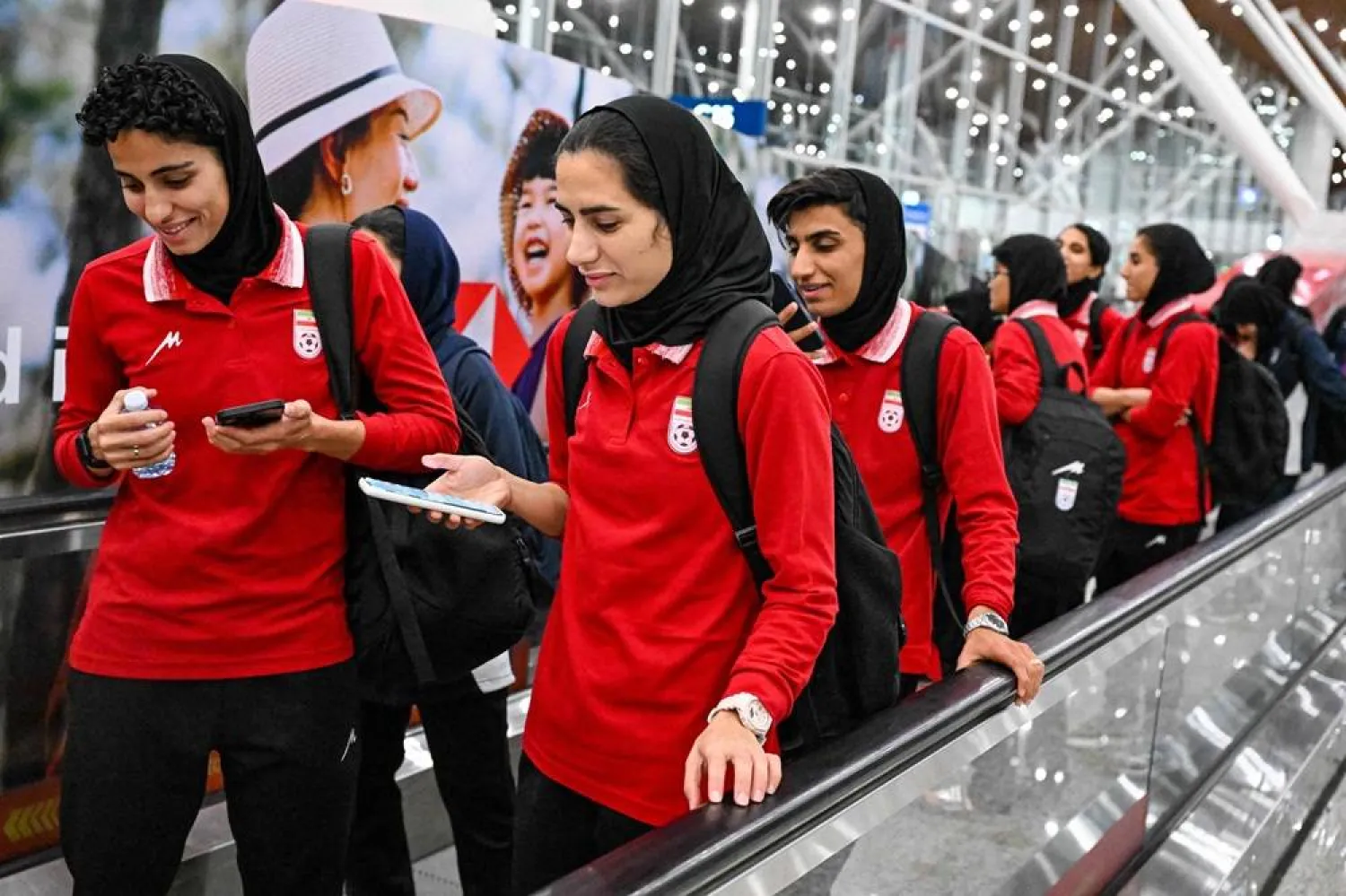
Team members returning through Kuala Lumpur
Meanwhile, the rest of the Iranian delegation who chose not to remain abroad continued their journey home.
Reports indicated that these team members were traveling through Kuala Lumpur after leaving Australia.
The players had earlier been separated from Iranian officials at the airport to ensure that they were aware of all available options before departure.
Authorities emphasized that the process was designed to protect the dignity and independence of each individual involved.
Officials also noted that every decision was voluntary.
Analysis
Impact of the Iranian women’s soccer squad asylum decision
The Iranian women’s soccer squad asylum decision illustrates how sports events can sometimes intersect with broader geopolitical and human rights issues.
Athletes often represent their countries on international stages.
However, their personal experiences and perspectives may differ significantly from official narratives.
In situations like this, global audiences become aware of the pressures athletes sometimes face behind the scenes.
International sporting events are usually associated with competition, teamwork, and national pride.
Nevertheless, the realities of political tensions and public expectations can influence how athletes behave during tournaments.
Observers have pointed out that the incident may encourage discussions about athlete safety and freedom of expression.
Sports organizations frequently promote values such as fairness, respect, and inclusion.
Consequently, cases involving asylum or political expression can challenge institutions to balance those principles with diplomatic sensitivities.
Public reaction and global conversation
Reactions to the situation have varied.
Some observers view the events as a reminder of the personal risks athletes may face.
Others focus on the importance of protecting individual rights during international travel.
Regardless of perspective, the Iranian women’s soccer squad asylum decision has highlighted how sports stories can quickly become global political conversations.
What Next
Possible developments after the Iranian women’s soccer squad asylum decision
The story surrounding the Iranian women’s soccer squad asylum decision may continue evolving as authorities clarify the status of individuals involved.
Government agencies could provide further updates regarding asylum applications and travel arrangements.
Diplomatic discussions between governments may also occur depending on the circumstances of each case.
International sports organizations might also monitor the situation closely.
Athlete welfare has become an increasingly important topic in global sports governance.
Future tournaments may introduce additional protocols to address similar situations.
Continued attention from sports and political observers
Media coverage of the case is expected to continue in the coming days.
Analysts often examine incidents like this to better understand the intersection between sports diplomacy and human rights concerns.
As the players involved make personal decisions about their futures, public interest is likely to remain high.
The Iranian women’s soccer squad asylum decision has become one of the most widely discussed international sports stories in recent days. What began as a routine tournament appearance in Australia quickly developed into a complex situation involving personal choices, government responses, and global attention.
While some members of the delegation have chosen to return home, others continue evaluating their options abroad. The episode highlights the challenges that can arise when international sports intersect with political realities.
Observers around the world are watching closely as authorities and athletes navigate the aftermath of these events.

