
Table of Contents
The Malaysia migrant boat capsizes incident has once again drawn global attention to the dangerous journeys undertaken by undocumented migrants across Southeast Asia. Off the coast of Pangkor Island, a vessel believed to be carrying Indonesian migrants sank, leaving at least 14 people missing and triggering a large-scale search and rescue mission.
This tragic event is not isolated. It reflects a broader humanitarian crisis shaped by economic desperation, trafficking networks, and weak enforcement across maritime borders. As authorities continue their operations, the incident raises urgent questions about migration safety, regional cooperation, and the protection of vulnerable populations.
Read: Trump press dinner attack suspect update security concerns
What happened: Timeline of the incident
Early morning discovery
A local fisherman made a grim discovery in the waters near Pangkor Island. Bodies and survivors were seen floating, prompting an immediate alert to Malaysian authorities.
Rescue efforts begin
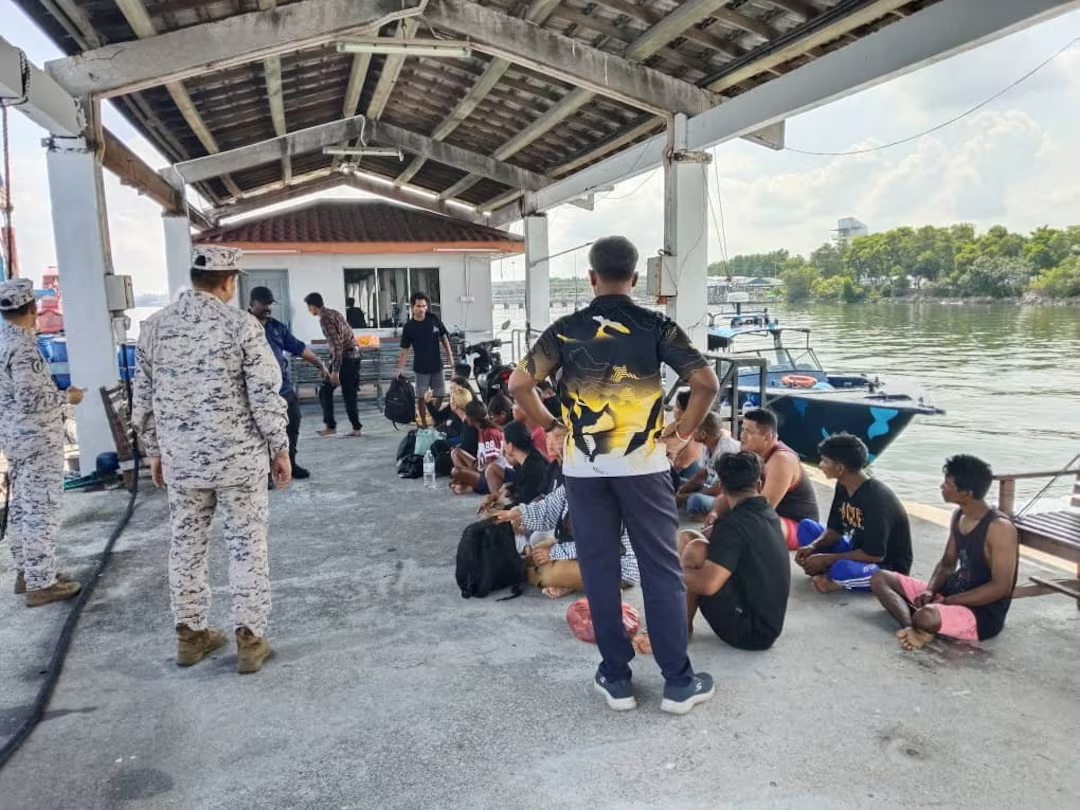
The Malaysian Maritime Enforcement Agency quickly launched a rescue operation. A nearby fishing vessel managed to save 23 Indonesian nationals, including seven women.
Missing persons
Out of the 37 passengers reportedly onboard, 14 remain unaccounted for. Search operations continue, with hopes of finding survivors diminishing as time passes.
Key facts at a glance
- Total passengers: 37
- Survivors rescued: 23
- Missing individuals: 14
- Departure point: Kisaran, Indonesia
- Intended destinations: Kuala Lumpur and Penang Island
- Incident location: Pangkor Island waters
The dangerous journey: Why migrants take the risk
Economic pressures
Many Indonesians risk illegal migration due to limited job opportunities at home. Malaysia’s plantations and factories offer better wages, even for undocumented workers.
Role of trafficking networks
Human trafficking syndicates often facilitate these journeys. Migrants are charged high fees and transported in overcrowded, unsafe boats.
Lack of safe migration pathways
Legal migration routes are often expensive or difficult to access. This pushes individuals toward illegal alternatives despite the risks.
Common risks faced by migrants
- Overloaded and unseaworthy boats
- Lack of safety equipment
- Exposure to harsh weather
- Exploitation upon arrival
- Arrest and deportation
Regional context: A recurring crisis
Annual migration estimates
According to migrant advocacy groups:
- Between 100,000 and 200,000 Indonesians attempt this journey yearly
- Many rely on illegal channels
- A significant number face exploitation or abuse
Why these routes remain active
- High demand for cheap labor in Malaysia
- Weak maritime enforcement in remote areas
- Corruption and organized crime involvement
- Limited bilateral migration agreements
Search and rescue operations: Challenges and efforts
The Malaysian authorities face significant obstacles in locating the missing individuals.
Environmental challenges
- Strong ocean currents
- Limited visibility underwater
- Expansive search area
Operational limitations
- Time-sensitive rescue window
- Resource constraints
- Coordination between agencies
Read: Trump press dinner attack suspect update security concerns
Steps taken by authorities
- Deployment of maritime patrol units
- Coordination with local fishermen
- Medical assistance for survivors
- Documentation and investigation processes
Human impact: Stories behind the numbers
- Hours spent clinging to debris
- Witnessing fellow passengers drown
- Fear and uncertainty during rescue
Survivor challenges after rescue
- Trauma and mental health issues
- Legal uncertainty
- Risk of detention or deportation
- Lack of access to support systems
Government response and investigation
Malaysian authorities have initiated investigations into the cause of the حادثة.
Key areas of focus
- Identification of victims
- Tracking trafficking networks
- Determining vessel safety conditions
- Strengthening border enforcement
Officials have emphasized the need for regional cooperation to prevent similar tragedies.
Potential policy responses
- Stricter maritime patrols
- Bilateral agreements with Indonesia
- Crackdown on trafficking syndicates
- Improved migrant worker policies
Broader implications: What this means for Southeast Asia
Economic implications
Malaysia’s reliance on foreign labor creates a demand that fuels illegal migration.
Social implications
Undocumented migrants often live in vulnerable conditions, affecting social stability.
Human rights concerns
The lack of safe migration pathways raises ethical questions about labor practices and migrant protection.
Long-term solutions
- Legal migration reforms
- Worker protection laws
- Public awareness campaigns
- International collaboration
Preventing future tragedies
Key strategies
- Enhance maritime surveillance technology
- Provide affordable legal migration options
- Strengthen anti-trafficking laws
- Support migrant communities
Example of effective intervention
Countries that have implemented structured labor migration programs have seen:
- Reduced illegal crossings
- Better worker protection
- Increased economic benefits
FAQ
1. What caused the Malaysia migrant boat capsizes incident?
The exact cause is under investigation, but overcrowding and unsafe vessel conditions are likely factors.
2. How many people are missing after the Pangkor boat accident?
Fourteen individuals remain missing following the حادثة.
3. Who rescued the survivors?
Local fishermen and the Malaysian Maritime Enforcement Agency conducted rescue operations.
4. Why do migrants take such dangerous journeys?
Economic hardship, lack of legal migration options, and trafficking networks drive these risky crossings.
5. What is being done to prevent future incidents?
Authorities are increasing patrols, investigating trafficking networks, and considering policy reforms.

