
Table of Contents
War in Iran Will Affect Nigeria – What Happened
Africa’s richest man, Aliko Dangote, has issued a strong warning that the ongoing conflict in the Middle East particularly involving Iran, could significantly impact Nigeria’s economy.
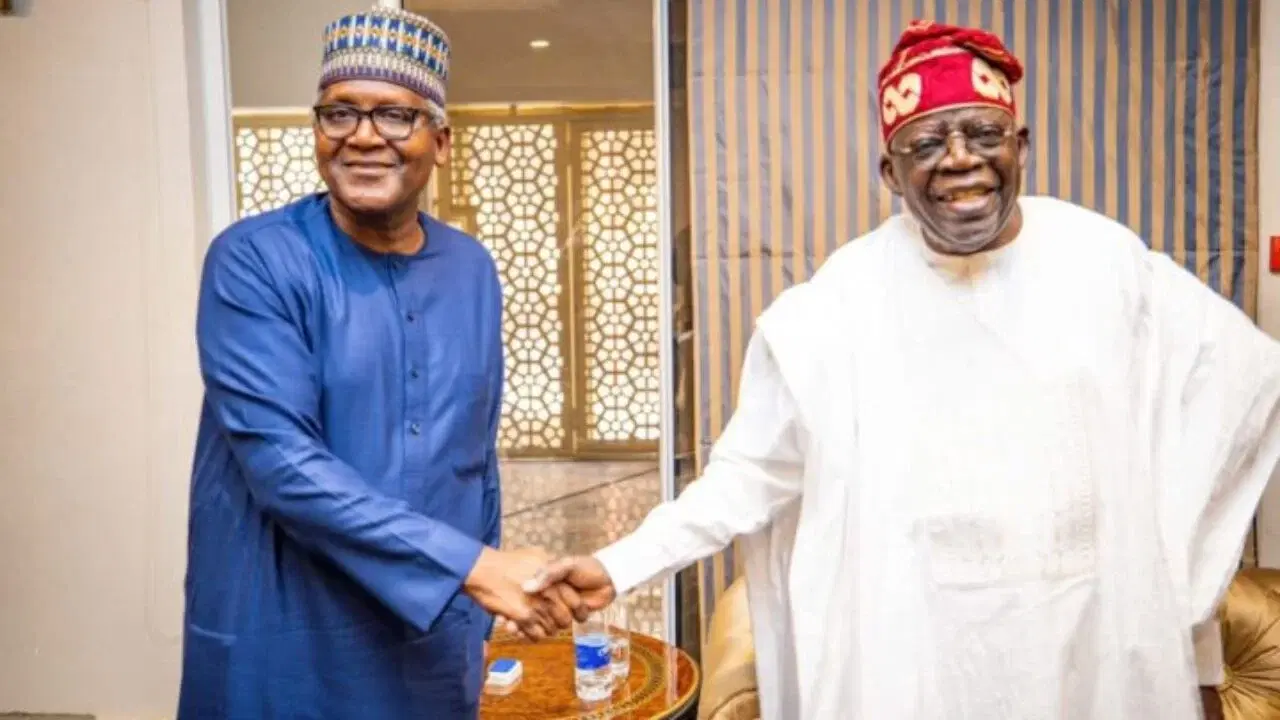
Dangote made this known after paying an Eid-el-Fitr homage visit to Bola Tinubu in Lagos. During the visit, he emphasized that although Nigeria is not directly involved in the crisis, the country cannot escape the ripple effects of global economic disruptions.
The statement comes amid growing concerns over oil market instability, rising geopolitical tensions, and their potential consequences for oil-dependent economies like Nigeria.
Why This Matters
The phrase “War in Iran will affect Nigeria” is not just a warning, it highlights the fragile nature of global economic interdependence. Nigeria, being heavily reliant on crude oil exports and fuel imports, remains highly vulnerable to global price shocks.
Oil prices often surge during conflicts in the Middle East, a region responsible for a significant portion of the world’s oil supply. Any disruption in supply chains or escalation in hostilities can lead to:
- Increased fuel prices
- Higher transportation costs
- Rising inflation
- Pressure on foreign exchange
- Economic hardship for citizens
Dangote’s warning underscores the reality that Nigeria’s economy is deeply tied to global oil dynamics, making external conflicts a domestic concern.
Details of Dangote’s Statement
Context of the Visit
Dangote explained that his meeting with President Tinubu was primarily to:
- Extend Sallah (Eid-el-Fitr) greetings
- Reconnect after a period of absence
- Reaffirm support for government policies
However, the conversation also touched on pressing global issues, particularly the escalating tensions in the Middle East.
Key Warning Points
According to Dangote:
- Nigeria is part of a “global village,” meaning international events inevitably affect local economies.
- Prolonged conflict could worsen existing economic challenges.
- Africa, including Nigeria, may face severe economic strain if the situation escalates.
He stated clearly that even without direct involvement, the consequences of such a war would be unavoidable.
Economic Implications for Nigeria
Fuel Prices and Energy Costs
Nigeria imports a significant portion of its refined petroleum products. If global oil prices rise due to instability in Iran, the cost of importing fuel will increase.
This could lead to:
- Higher pump prices
- Increased cost of electricity generation
- Strain on government subsidies (if any are reintroduced)
Transportation and Logistics
Rising fuel prices directly affect transportation. From public transit to logistics and supply chains, costs would increase across the board.
This translates into:
- Higher cost of goods
- Increased fares for commuters
- Pressure on small businesses
Inflationary Pressures
Nigeria is already battling inflation. A spike in global oil prices could worsen the situation by:
- Increasing production costs
- Driving up food prices
- Weakening purchasing power
Foreign Exchange Challenges
Higher import bills for fuel could put additional pressure on Nigeria’s foreign reserves and naira stability, leading to:
- Currency depreciation
- Increased cost of imports
- Economic uncertainty
Global Perspective
The Middle East remains a critical hub for global oil production. Any conflict involving Iran can disrupt supply routes such as the Strait of Hormuz, a key passage for oil shipments.
When supply is threatened:
- Oil prices spike globally
- Markets become volatile
- Investors grow cautious
Countries like Nigeria, despite being oil producers, are not insulated due to limited refining capacity and heavy reliance on imports.
Analysis and Thoughts
Dangote’s warning is both timely and realistic. His position as a major player in Africa’s industrial and energy sectors gives weight to his concerns.
From a broader perspective:
- Positive Angle: Higher crude oil prices could increase Nigeria’s revenue from exports.
- Negative Reality: The benefits may be offset by higher import costs, inflation, and economic instability.
The situation exposes a long-standing issue, Nigeria’s dependence on imported refined fuel despite being an oil-producing nation.
Many analysts believe this is where local refining initiatives, including Dangote’s refinery project, could play a transformative role in the future.
Public Expectations and Reactions
Nigerians are likely to react with concern, given the current economic climate. Citizens are already dealing with:
- Rising cost of living
- Currency fluctuations
- Limited purchasing power
A further increase in fuel and commodity prices could deepen economic hardship.
There is also growing expectation for the government to:
- Strengthen economic buffers
- Support local production
- Stabilize the naira
- Accelerate energy independence
What Next
The global situation remains uncertain, and much depends on whether tensions in the Middle East escalate or de-escalate.
Key things to watch:
- Developments in the Iran conflict
- Movement in global oil prices
- Nigerian government policy responses
- Impact on local fuel prices
Economic experts will also be monitoring how Nigeria navigates this potential crisis, especially in terms of fiscal and monetary policy adjustments.

