
Table of Contents
What Happened & Who Confirmed It
The New York runway collision has shocked the aviation industry after two pilots tragically lost their lives in a devastating accident at LaGuardia Airport. The incident involved an Air Canada Express jet and an airport fire truck, leading to dozens of injuries, widespread disruption, and hundreds of canceled flights.
Authorities, including the Federal Aviation Administration and the National Transportation Safety Board, confirmed the fatal crash. Officials described the event as a tragic accident that occurred when the aircraft collided with a fire truck crossing the runway during landing.
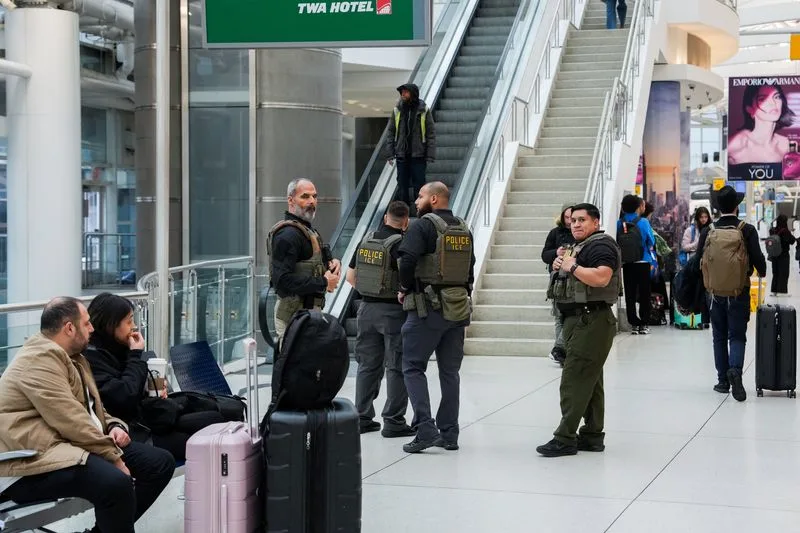
At the same time, U.S. President Donald Trump announced the deployment of Immigration and Customs Enforcement (ICE) agents to major airports across the country to manage escalating congestion and long security lines.
Why This News Matters
The New York runway collision is more than just an isolated aviation accident. It highlights deeper systemic issues affecting U.S. airports, including staffing shortages, operational pressure, and ongoing political tensions impacting funding and workforce stability.
Passengers across the country are now facing delays, cancellations, and heightened security presence. The decision to deploy ICE agents into airport operations has also raised concerns among aviation experts and labor unions, especially regarding training and safety protocols.
This situation creates a ripple effect across global travel, airline operations, and public confidence in airport safety systems.
Details of the Incident
Crash Overview
The aircraft involved in the New York runway collision was a CRJ-900 jet operated by Jazz Aviation under Air Canada Express. It carried 72 passengers and four crew members at the time of the accident.
During landing, the plane struck a fire truck that had entered the runway while responding to a separate emergency. Verified footage showed the aircraft hitting the vehicle directly, resulting in severe damage to the cockpit area.
Casualties and Injuries
- Two pilots were confirmed dead at the scene
- Dozens of passengers sustained injuries
- Nine individuals were hospitalized with serious conditions
One of the deceased pilots was identified as Antoine Forest, a young aviator from Quebec, marking a heartbreaking loss early in his career.
Airport Disruptions
The aftermath of the New York runway collision led to:
- Over 572 flight cancellations
- More than 50% of LaGuardia’s daily operations halted
- Runway closure expected to last several days
- Nationwide ripple effects on flight schedules
Passengers reported waiting for hours due to delays and limited operational capacity.
ICE Deployment to Airports
Why ICE Was Deployed
In response to severe staffing shortages among Transportation Security Administration (TSA) workers, the federal government ordered ICE agents to assist in managing airport congestion.
These agents were deployed to 14 major airports, including locations in New York, Atlanta, Chicago, and Houston.
Concerns Raised
The move sparked criticism from aviation unions and experts. Key concerns include:
- ICE agents lack specialized TSA training
- Unclear roles in security operations
- Fear of immigration enforcement activities within airports
Despite these concerns, officials stated that ICE agents would primarily handle crowd control and assist in easing long queues.
Political and Economic Context
The New York runway collision comes at a time of significant political tension in Washington. A prolonged budget standoff has left many federal workers, including TSA staff, unpaid for weeks.
This has resulted in:
- Increased absenteeism among airport personnel
- Reduced operational efficiency
- Growing frustration among travelers
Additionally, rising fuel costs linked to international conflicts have forced airlines to cut routes and adjust schedules, further complicating travel logistics.
My Thoughts on the Situation
The New York runway collision exposes critical vulnerabilities in airport operations. While accidents can happen, the combination of staffing shortages, operational stress, and political gridlock creates an environment where risks are significantly heightened.
Deploying ICE agents may provide temporary relief, but it does not address the root problems. Airports require properly trained personnel, stable funding, and efficient coordination systems to prevent such tragedies.
From a broader perspective, this incident could push authorities to re-evaluate aviation safety protocols and workforce management strategies. Travelers are likely to become more cautious, and airlines may face increased scrutiny in the coming months.
What Happens Next
Investigations into the New York runway collision are ongoing. Authorities are focusing on:
- Air traffic control communications
- The fire truck’s entry onto the runway
- Possible human or procedural errors
Flight data and cockpit voice recorders have already been recovered and will play a crucial role in determining the cause of the accident.
Meanwhile:
- LaGuardia operations are gradually resuming
- Airlines are working to rebook affected passengers
- Government officials continue negotiations to resolve the funding crisis
Travelers are advised to check flight statuses regularly and arrive early at airports due to ongoing disruptions.
The New York runway collision is a tragic reminder of how quickly things can go wrong in high-pressure environments like airports. With lives lost, passengers injured, and operations disrupted nationwide, this event will likely have lasting implications for aviation safety and policy.
As investigations continue and authorities respond to the crisis, one thing remains clear: urgent action is needed to restore confidence and ensure safer skies for everyone.

